
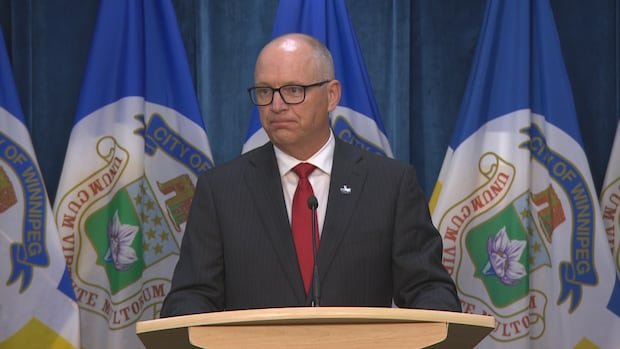

Winnipeg Mayor Scott Gillingham has expressed his support for the federal government’s efforts to combat violent crime and tighten bail regulations. Prime Minister Mark Carney announced a forthcoming bill that will increase penalties for violent and repeat offenders and establish stricter conditions for individuals awaiting trial.
The proposed legislation includes a provision for a “reverse onus” on individuals facing serious charges, requiring them to demonstrate their eligibility for bail. Gillingham, although yet to review the specifics of the bill, appreciates the government’s proactive stance on this issue.
Emphasizing the necessity of legislative changes to enhance community safety, Gillingham highlighted the importance of addressing concerns raised by local governments. He also commended the government’s plans to restrict conditional sentences for certain sexual offenses and impose harsher penalties for retail theft.
The announcement by the prime minister was welcomed by Gillingham, reflecting the ongoing advocacy for bail reform by Winnipeg officials to create safer neighborhoods. However, Meechelle Best, whose daughter was a victim of a fatal collision involving an individual with pending bail violation charges, stressed the need for detailed insights into the proposed changes.
Ron Best, the victim’s stepfather, underscored the significance of addressing underlying issues such as substance abuse in conjunction with bail reform. While recognizing the potential benefits of the legislation, he emphasized the importance of a comprehensive approach to tackle root problems.
Aiden Enns, from the John Howard Society of Manitoba, expressed skepticism about the bill’s effectiveness in enhancing safety, suggesting a focus on social programs for community well-being. He cautioned against potential challenges, such as increasing remand custody rates and system congestion.
Enns highlighted the existing criteria for denying bail based on flight risk, public safety threats, and justice system integrity. He noted that the proposed “reverse onus” principle already applies to specific charges like organized crime and terrorism.
In conclusion, while acknowledging the intent behind the legislation, Enns emphasized the importance of holistic approaches beyond legal measures to foster community safety and well-being.