
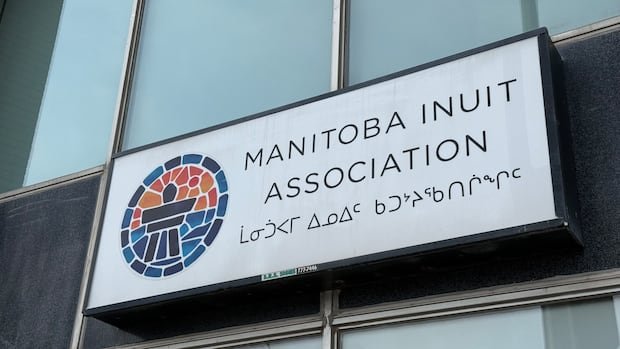

The Manitoba Inuit Association (MIA) has relieved its former CEO, Nastania Mullin, of his duties following recent allegations of misconduct raised by an Ottawa woman, in the midst of a growing #InuitMeToo movement highlighting concerns over his behavior.
In a late Friday social media announcement, MIA acknowledged the community’s concerns and disclosed the decision to dismiss Nastania Mullin after a thorough evaluation by the MIA Board.
The organization has designated an interim CEO and enlisted an external entity to conduct an “independent and trauma-focused investigation,” as stated in the communication signed by the board of directors.
Expressing solidarity with Inuit women, 2LGBTQ+ individuals, and gender-diverse community members against all forms of intimate partner and sexual violence, MIA emphasized its commitment to supporting affected individuals and promoting safety, respect, and healing.
Requests for additional information from MIA remained unanswered.
The termination occurred a week subsequent to Ruth Gustaw, 36, coming forward to CBC News, alleging that Mullin had sexually assaulted her over two decades ago in his mother’s residence in Iqaluit. With formal complaints lodged against Mullin by Gustaw and another woman with the RCMP and Ottawa Police Service respectively, the second complainant chose to remain anonymous due to concerns for personal and familial safety.
While no legal charges have been filed against Mullin, and no allegations have been substantiated in court, Mullin declined to provide comment when contacted on Friday.
Gustaw expressed satisfaction with MIA’s decision and emphasized that her intention was not to spread animosity but to speak the truth, inspired by the #InuitMeToo movement, which empowered her and others to share their experiences.
Inuk advocate Crystal Martin initiated a petition urging MIA to investigate claims of abuse against Mullin, garnering support from over 1,300 individuals. Martin viewed Mullin’s termination as a pivotal step forward for the community, emphasizing the necessity of centering the voices of survivors in the pursuit of justice and safety.
Martin launched a fundraising campaign to assist survivors seeking legal representation, highlighting the importance of prioritizing the well-being and resilience of those affected.
Various Inuit organizations, including the Amautiit Nunavut Inuit Women’s Association, endorsed the movement, stressing the significance of enhanced board governance, trauma-informed leadership, and inclusive training reflecting Inuit values.
Amautiit president Tara Qunngaataq Tootoo Fotheringham commended the courage of the women and supporters involved in the #InuitMeToo campaign, expressing awareness of similar allegations against Mullin and other male Inuit leaders. Tootoo Fotheringham acknowledged the transformative power of bravery in driving societal change.
The development regarding Mullin’s termination was hailed as a long-overdue decision by Tootoo Fotheringham, underscoring the resilience of those who refused to remain silent and emphasizing that courage triumphed over fear in effecting change.