
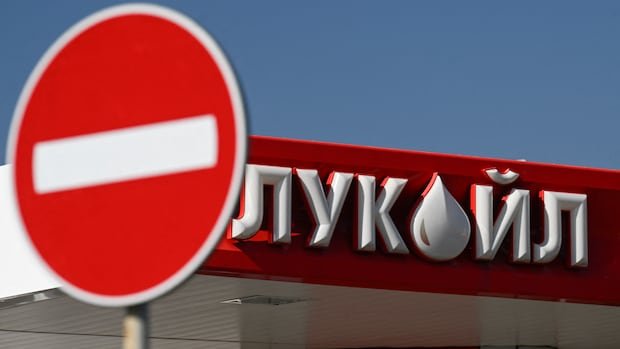

When the United States Department of the Treasury imposed sanctions on two major Russian oil producers on Wednesday, it indicated the increasing frustration of Washington towards Russian President Vladimir Putin’s refusal to agree to a 30-day ceasefire in the conflict with Ukraine or participate in meaningful negotiations.
The U.S. Treasury alleged that Lukoil and Rosneft were assisting in financing the Russian government’s military efforts. The imposition of sanctions led to a surge in global oil prices and caused concerns among Russia’s oil customers.
What is the impact of these sanctions?
In a press release from the U.S. Treasury, sanctions were imposed on Lukoil and Rosneft, along with over 30 of their subsidiary entities.
Combined, these two companies export more than three million barrels of oil per day, as stated by the United Kingdom government, which had previously sanctioned both firms earlier in the month.
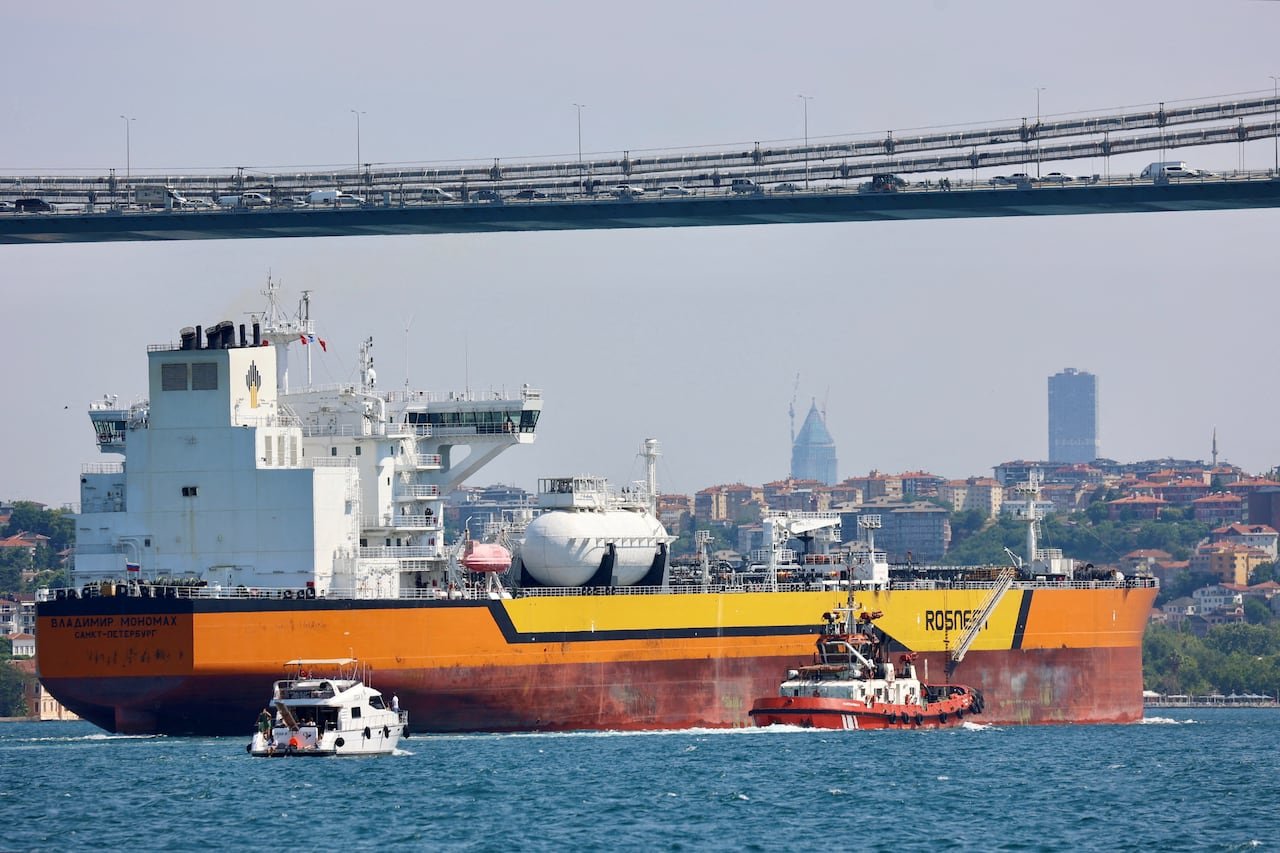
Rosneft, led by long-time Putin ally Igor Sechin, is a state-controlled entity responsible for almost half of Russia’s total oil production.
Lukoil, a privately held corporation, contributes around two percent to the global oil production. In March 2022, its board of directors advocated for a ceasefire in Ukraine, emphasizing the importance of negotiations and diplomacy.
Moreover, the threat of sanctions extends beyond these companies as the U.S. Treasury hinted at potential actions against financial institutions and other entities engaging with these oil producers. Companies have until November 21 to phase out transactions with Lukoil and Rosneft.
How does this impact Russia’s oil sales?
Following Russia’s invasion of Ukraine in 2022 and the subsequent sanctions imposed by Western nations targeting its energy sector, Moscow redirected more of its energy exports towards China and India.
China, India, and Turkey, major consumers of Russian oil, have been purchasing the oil at discounted rates. Due to the sanctions, significant players are considering reducing their imports due to the fear of secondary sanctions and exclusion from U.S. financial markets.
Reliance Industries, a top buyer of Russian crude in India, plans to decrease or halt its Russian oil imports. Chinese state oil companies have reportedly suspended their purchases of Russian seaborne oil.
Experts suggest that the impact of potential secondary sanctions will vary between China and India, with India being more vulnerable to such threats due to its reliance on Rosneft. On the contrary, Chinese teapot refineries may be less affected as they are smaller and less integrated into global energy markets.
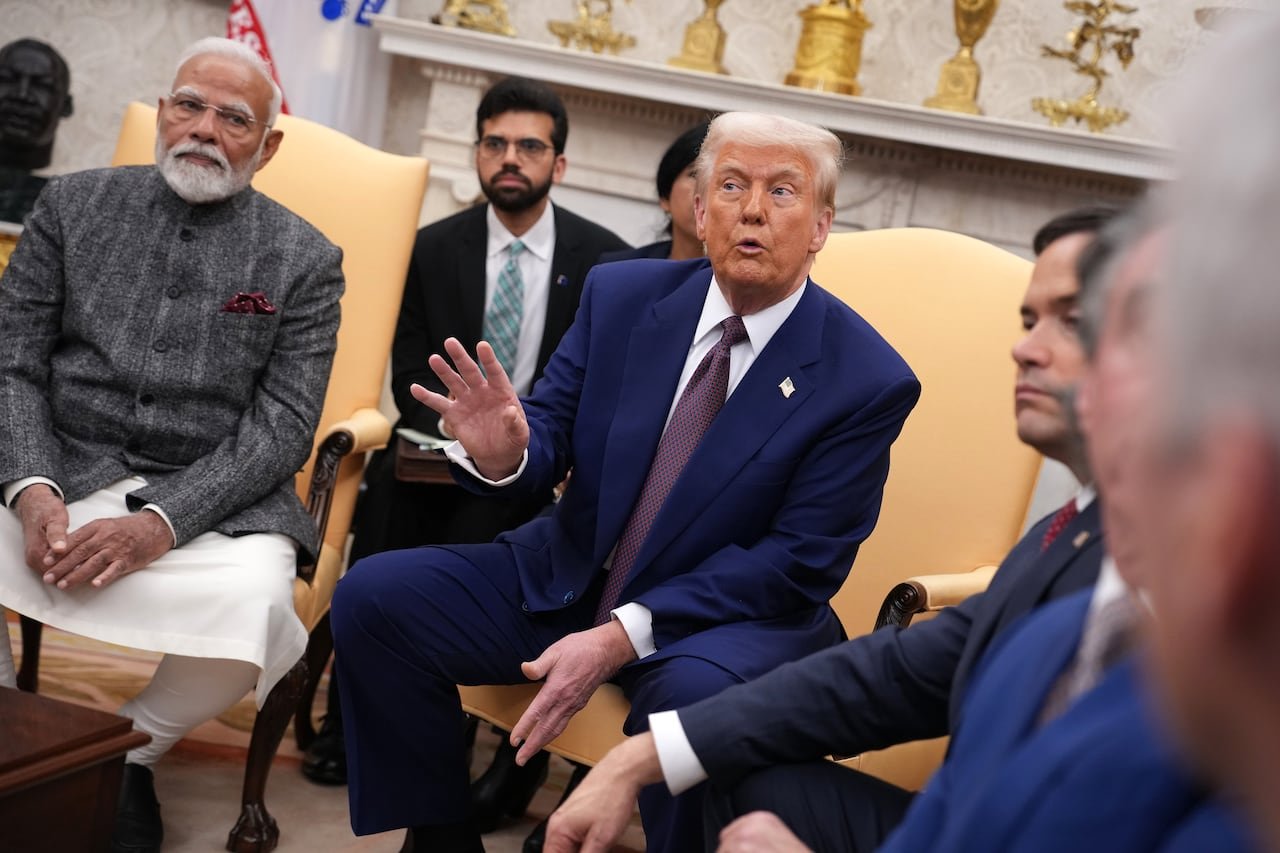
U.S. President Donald Trump stated that Indian Prime Minister Narendra Modi assured him of reduced oil purchases from Russia in the future. This development comes amid ongoing trade discussions between India and the U.S., which have imposed significant tariffs on Indian goods.
How does Russia respond?
In Russia, the announcement of sanctions sparked anger and dismissal.
Dmitry Medvedev, the deputy chairman of Russia’s Security Council, criticized the U.S. on social media, accusing Trump of being “firmly against Russia.” The Russian Foreign Ministry labeled the sanctions as counterproductive, foreseeing negative impacts on the global economy.
Analysts predict that the sanctions