
Children often become aware of the upcoming Diwali after weeks of preparation.
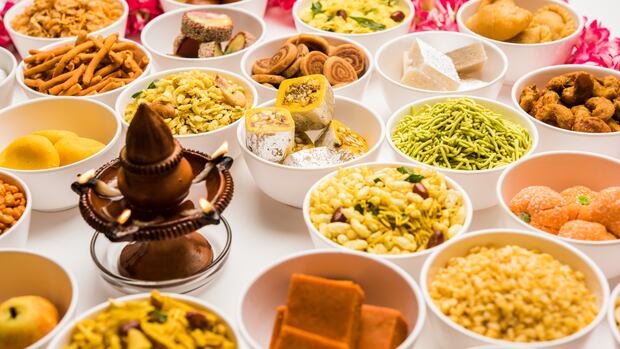
Hima Patel, co-owner of The Biryani Barrel in Kitchener with her husband, Samrat, mentioned that cleaning the house for Diwali is a childhood memory for many. She added that hosting parties with offerings like snacks and dry fruits is common.
Diwali has a history of over 2,500 years in India, symbolizing the victory of light over darkness, good over evil, and knowledge over ignorance.
This five-day festival is celebrated by Hindus, Jains, Sikhs, and some Buddhists. While Diwali falls on the third day, each day involves prayer, family gatherings, acts of charity, gift-giving, and feasting.
Customary Offerings
Just as different regions in India have unique festivities, Diwali food traditions also vary regionally.
From the savory South Indian ragi murukku to the crispy North Indian paneer pakora, women gather in kitchens weeks before the festival to prepare snacks for guests, family, friends, and worship rituals.
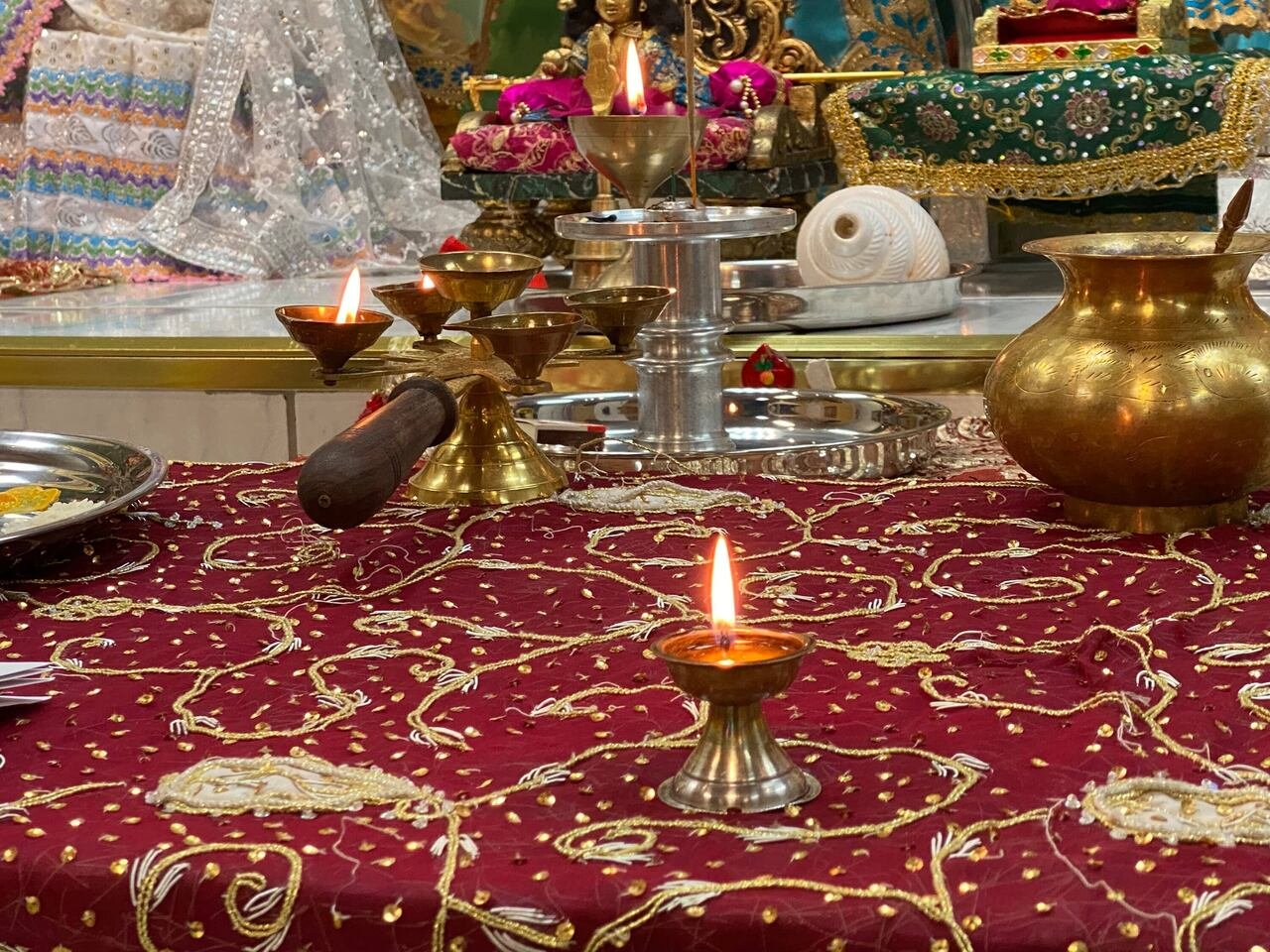
“While we pray at home on some days, most days we visit the temple,” explained Hima Patel. “We have Annakut on the fourth day, where we prepare sweets and savories to offer to the deity at the temple.”
Sweets are placed closest to the deity, followed by dal, vegetables, and other food offerings. These offerings are later shared with the community.
Patel also mentioned that some individuals fast for one or more days as part of their religious observance, consuming fruits, milk, nuts, and specific flours while avoiding grains like rice and wheat.
Delicious Treats
Originating from Ahmedabad, Gujarat, the Patels commonly offer snacks like Mathiya and chorafali to guests during Diwali.
Mathiya are mildly spiced urad dal crackers, while chorafali are savory puffed strips made from chickpea flour dough.
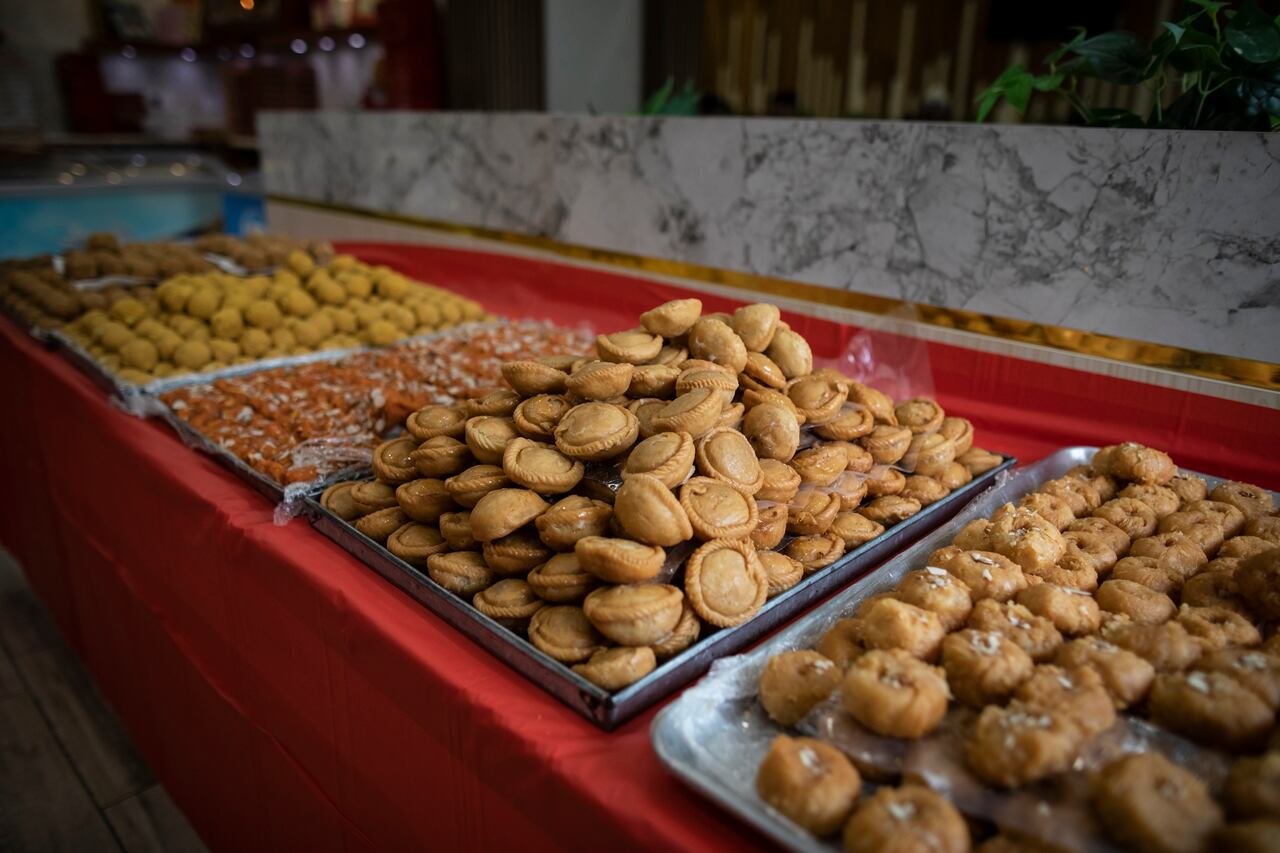
Guests usually bring dry fruit boxes, nut boxes, or sweets as gifts for their hosts, symbolizing happiness, sharing, and bonding through food.
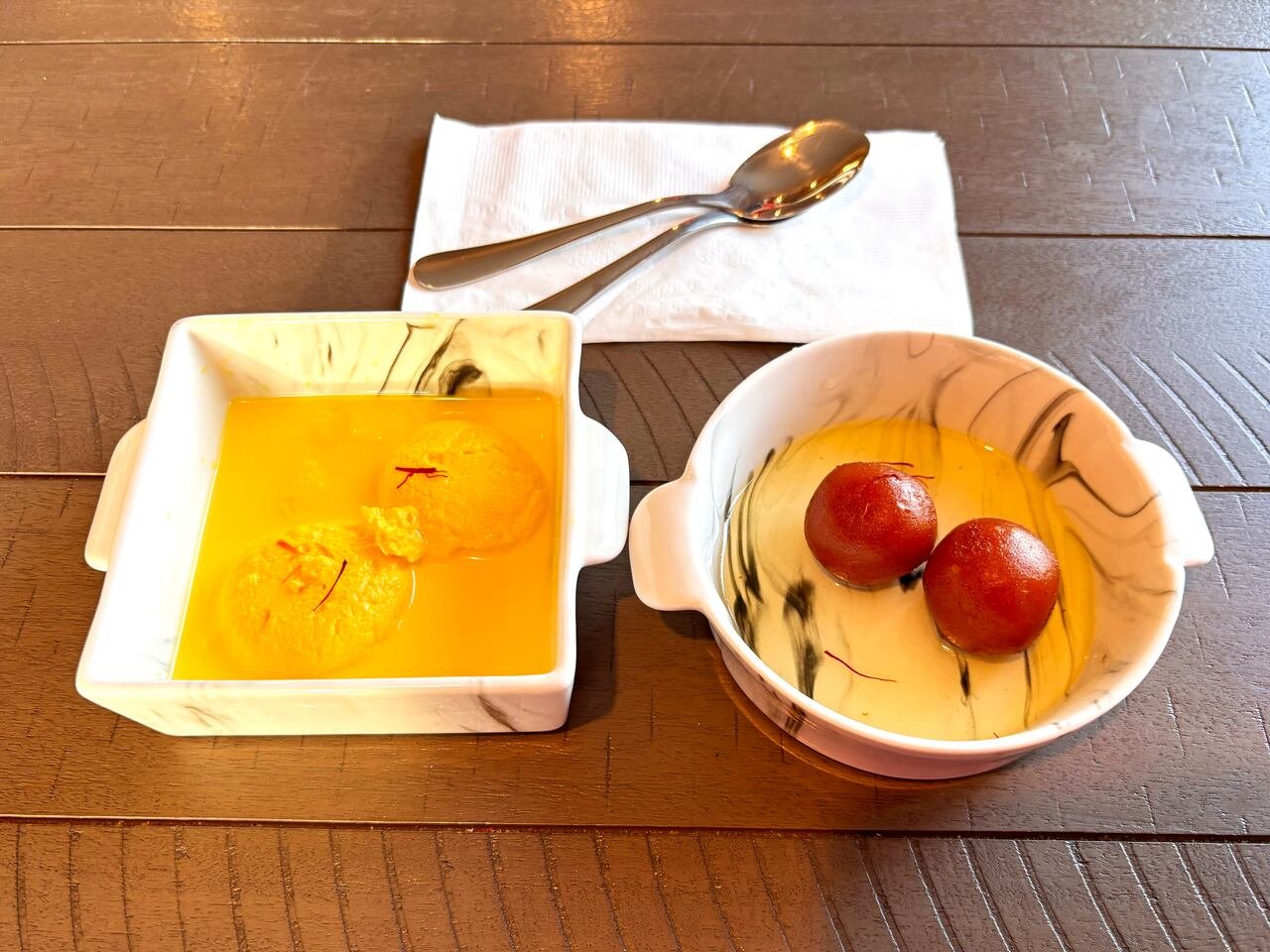
Ghee-based foods symbolize purity and clarity, while saffron-infused dishes represent luxury and spiritual energy.
Although traditional Indian foods are common, gifts like boxes of baklava have gained popularity. The choice of gift is based on the recipient’s preferences.
“We try to customize the gifts based on what the person likes. For example, if someone knows I love cheesecake, they might bring that to share,” said Patel.
Sweet Delights
While savory snacks are abundant, sweets are a significant part of Diwali celebrations.
“Mithai” are a blend of snacks, desserts, and confectionery, made from various ingredients like chickpea flour, rice flour, coconut, dairy, nuts, and raisins with flavors such as cardamom, cinnamon, saffron, and rosewater.