
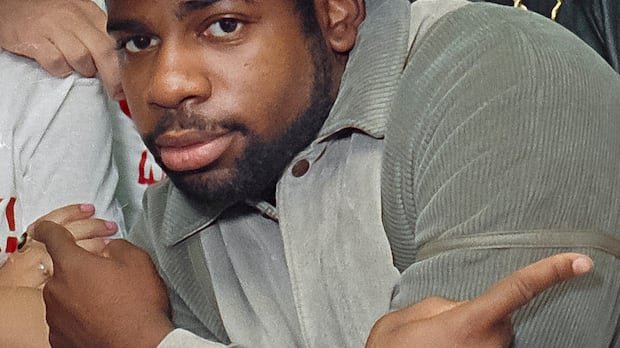

Nearly twenty-five years following the tragic death of Jam Master Jay from Run-DMC, a man confessed in court on Monday to being involved in a long-standing murder case. Jay Bryant admitted guilt to a federal murder charge, acknowledging his role in facilitating others to ambush the DJ, born Jason Mizell, at a recording studio. Bryant confessed to knowing that a gun would be used in the attack on Mizell and recognized the criminality of his actions.
While Bryant did not disclose the identities of his accomplices, Karl Jordan Jr. and Ronald Washington were previously convicted in 2024 in connection to the case. However, Jordan’s conviction was later overturned by a judge. Washington is also contesting his conviction, with his lawyer highlighting evidence linking Bryant to the crime scene through DNA on a hat and witness testimony alleging Bryant’s involvement in firing the gun.
Jay Bryant, aged 52, is anticipated to receive a prison sentence ranging between 15 to 20 years for the murder of Jam Master Jay, in addition to unrelated drug and gun charges to which he had previously pleaded guilty. The sentencing date has not yet been determined. Following his court appearance, Bryant gestured a thumbs-up to an individual in the audience without further comments from either party.
Jam Master Jay, a pivotal figure in Run-DMC alongside Darryl “DMC” McDaniels and Joseph Simmons, was tragically shot in his Queens studio at the age of 37. The group revolutionized rap music with hits like “It’s Tricky,” “My Adidas,” and a rendition of Aerosmith’s “Walk This Way,” propelling the genre into mainstream success. Run-DMC achieved numerous milestones in the music industry, including gold- and platinum-selling albums, a Rolling Stone cover, and induction into the Rock & Roll Hall of Fame in 2009.
The investigation into Jam Master Jay’s murder was intertwined with his involvement in a failed cocaine deal, which allegedly led to his demise. Despite Run-DMC’s anti-drug stance, it was revealed that Mizell was engaged in the drug trade to sustain his lifestyle after experiencing financial challenges in the music industry.
Prosecutors and witnesses in the trial asserted that Karl Jordan shot Mizell while Ronald Washington restricted access to the studio during the attack. Jordan’s alibi placed him at his girlfriend’s residence during the incident, while Washington’s defense emphasized his lack of motive to harm his friend and benefactor, Mizell.
After several years, Jay Bryant was implicated in the murder case due to the discovery of his DNA on a hat at the crime scene and witness statements connecting him to the building’s entry. Bryant claimed his involvement was related to a cocaine deal associated with Mizell but denied directly participating in the shooting. Prosecutors alleged that Bryant facilitated the assailants’ access to the studio by opening a rear fire door, enabling the perpetrators to enter without alerting Mizell.
While Jordan and Washington did not have DNA evidence on the hat, the prosecution suggested that Bryant’s contact with the cap could have inadvertently led to the DNA transfer. The case continues to unfold as legal proceedings progress.
[Image: Members of Run-DMC, left to right, Jam Master Jay, DMC and DJ Run make handprints while being inducted into Hollywood’s Rockwalk on Feb. 25, 2002, in Los Angeles. (Adrees Latif/Reuters)]
In summary, Jay Bryant’s admission sheds light on the complexities of the long-standing case surrounding the tragic killing of Jam Master Jay, a revered figure in the music industry, whose legacy continues to influence hip-hop culture.