
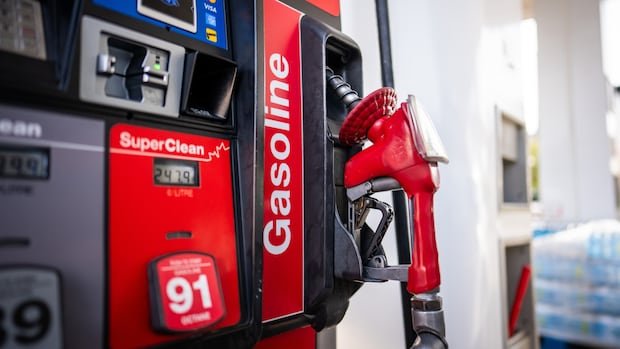

Canada saw a surge in its annual inflation rate, reaching 2.8% in April, as reported by Statistics Canada. The increase was primarily driven by soaring energy prices, particularly gasoline. Energy costs spiked by 19.2% year-over-year in April, following a 3.9% rise in the previous month.
Gasoline prices experienced an even steeper climb, jumping by 28.6% year-over-year, attributed to a supply disruption in the Strait of Hormuz and the transition to costlier summer gasoline blends. The ongoing conflict involving the U.S., Israel, and Iran in the region has led to a global energy price hike.
To ease the inflationary pressure, the federal government intervened by suspending the fuel excise tax midway through April. In March, high energy prices had already contributed to a rise in the inflation rate to 2.4%.
Additionally, a decision by Ottawa to eliminate the consumer carbon price earlier than planned skewed the year-over-year price comparison in April. This move reduced gas prices by approximately 18 cents per liter in April 2025. While this adjustment had initially dampened the inflation rate over the past year, its impact has now dissipated, causing inflation to trend higher instead of lower.
Apart from energy, clothing and footwear prices also saw a 2% increase in April, rebounding from a 0.4% decline in March. However, other sectors did not experience the same level of price escalation. Rents continued to rise nationally, albeit at a slower pace of 3.6% year-over-year compared to 4.2% in March, with rent price growth in British Columbia remaining stagnant.
Food inflation moderated to 3.5% in April, down from 4% in March, with items like chicken, fresh vegetables, coffee, and tea seeing slower price hikes after sharp increases earlier in the year. Furthermore, tour travel prices dropped by 11% in April following an 11.5% increase in the previous month.
BMO’s chief economist, Doug Porter, highlighted the core inflation measures, which exclude volatile elements like fuel and food. These measures showed a much slower increase compared to overall inflation. Porter noted that excluding fuel and food expenses, the report indicated subdued inflation trends. He mentioned that the rise in energy costs might be prompting consumers to save rather than spend, potentially exerting deflationary pressures on other sectors.