


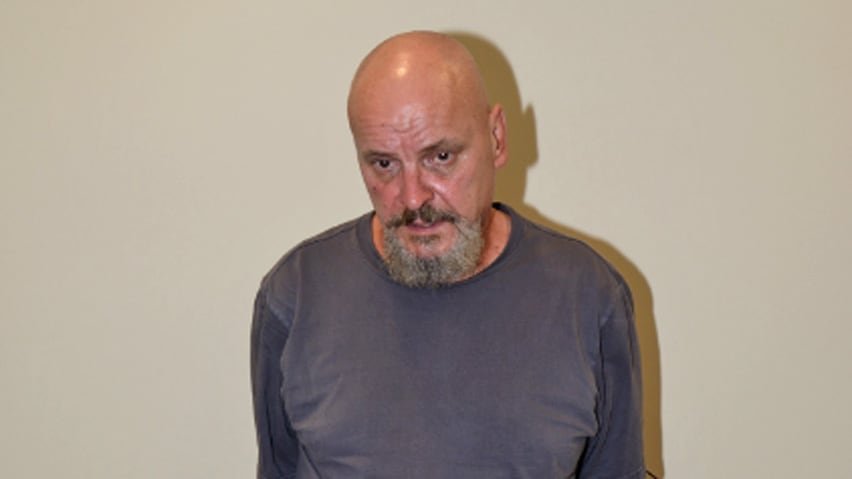
Last week, Basil Borutski passed away in prison while serving back-to-back sentences for the killings of Carol Culleton, Anastasia Kuzyk, and Nathalie Warmerdam in a single-day outburst of violence in the Ottawa Valley.
This outcome was anticipated by the Superior Court judge and the former assistant Crown attorney (now an Ontario Court justice) during the trial in 2017 that found him guilty. Borutski had received a 70-year parole ineligibility sentence, comprising three consecutive terms.
However, some question whether this outcome truly represents justice. Tracey McBain, Warmerdam’s close friend, and Kirsten Mercer, the attorney representing a Renfrew County group focused on ending intimate partner violence, expressed dissatisfaction with the resolution.
Borutski, aged 66, passed away on March 28 at a maximum-security facility near Kingston, Ontario, under what appears to be natural circumstances, according to the Correctional Service of Canada. Investigations are ongoing by the federal agency and the coroner’s office to review the circumstances surrounding his death.

McBain remarked, “This is simply time taking its course. It marks a sorrowful end to a tragic life,” emphasizing the complex grieving process faced by all families involved, including Borutski’s. She extended her sympathies to them, acknowledging the difficulty they must be enduring.
Meanwhile, Mercer cautioned against labeling Borutski’s demise as justice, emphasizing the ongoing need to address the underlying issues contributing to intimate partner violence. She stressed the importance of early intervention to prevent individuals from becoming entrenched in such criminal behavior.
Reflecting on Borutski’s history of violence, Mercer underscored the missed opportunities for meaningful intervention that could have averted the tragic outcomes. She emphasized the need to focus on prevention efforts rather than relying solely on incarceration as a solution.
Looking at the broader picture, McBain and Mercer expressed concerns over the effectiveness of existing measures in combating intimate partner violence, particularly in light of the inquest’s recommendations and the slow progress in their implementation.

Addressing the need for swift action on the recommendations, Mercer noted some progress at the local level, with numerous municipalities recognizing intimate partner violence as an epidemic. However, she highlighted the importance of continued efforts to implement these recommendations effectively.
Moreover, both McBain and Mercer emphasized the critical role of early intervention and prevention strategies in breaking the cycle of violence and ensuring long-term safety for individuals at risk of intimate partner violence.
Conclusion
Despite Borutski’s passing, the conversation around intimate partner violence and the need for comprehensive solutions continues, as advocates push for systemic changes to prevent such tragic incidents in the future.