
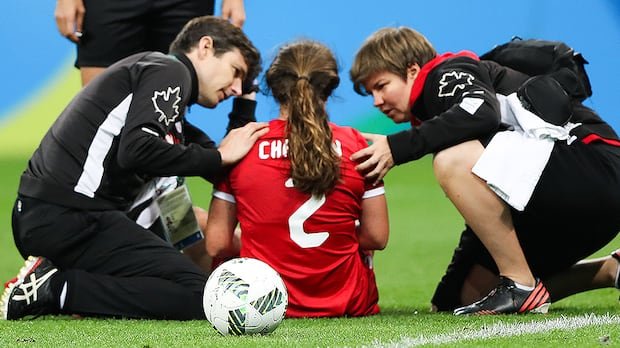

A surge in female participation in sports has led to a rise in injuries, potentially hindering continued involvement. A group of 109 researchers, including three from the University of Calgary, has put forth 56 recommendations for injury prevention tailored to women and girls. This initiative, spearheaded by Carolyn Emery and backed by the International Olympic Committee, acknowledges the escalating global rates of sports injuries among female athletes and the historical neglect of preventive measures in this demographic.
Canada has witnessed a boom in women’s sports, exemplified by the emergence of the Professional Women’s Hockey League and the Northern Super League in soccer, along with notable achievements such as Canada’s women making it to the Rugby World Cup final. The impending arrival of the WNBA team, Toronto Tempo, in Canada further underscores the growing prominence of women’s sports. However, these high-level athletes often face significant injury challenges, which can act as a deterrent to their continued participation.
Female hockey registration in Canada has been on the rise, with projections aiming for further growth by 2030. Nevertheless, a Hockey Canada steering committee has highlighted the lack of tailored injury prevention education for girls in hockey as a factor contributing to declining participation rates. To address these issues, the consensus paper advocates for a comprehensive approach, ranging from equitable funding for injury surveillance and medical support to promoting safe environments free from body shaming and enforcing preventive warm-up routines.
Emily Heming, a researcher from Calgary, emphasized the need to bridge the existing gaps in sports science research concerning female athletes. As more girls and women engage in sports, the call for enhanced research and prevention strategies becomes increasingly urgent. Rugby Canada’s expanding female player base and statistics revealing escalating dropout rates among girls further underscore the imperative for targeted injury prevention efforts in women’s sports.
Carly McKay, another co-author of the consensus paper, highlighted the disparities in resources and support between men’s and women’s sports environments. Recognizing these differences, she underscored the importance of contextualizing injury prevention strategies to suit the specific needs of female athletes. The constraints faced by female athletes, such as limited access to training facilities and resources, necessitate tailored solutions to mitigate injury risks effectively.
Across Canada, nearly 270,000 women and girls participate in soccer, making it a popular sport. Research has indicated a possible link between menstrual cycles and anterior cruciate ligament tears in female athletes, prompting investigations into this phenomenon by FIFA and other organizations. The higher incidence of ACL injuries and concussions in female athletes compared to their male counterparts underscores the urgency of implementing targeted preventive measures in women’s sports.
In conclusion, addressing the unique challenges faced by female athletes in injury prevention requires a concerted effort to tailor strategies to their specific needs. By closing the existing research gaps and implementing targeted preventive measures, the sports community can ensure a safer and more inclusive environment for women and girls in sports.