
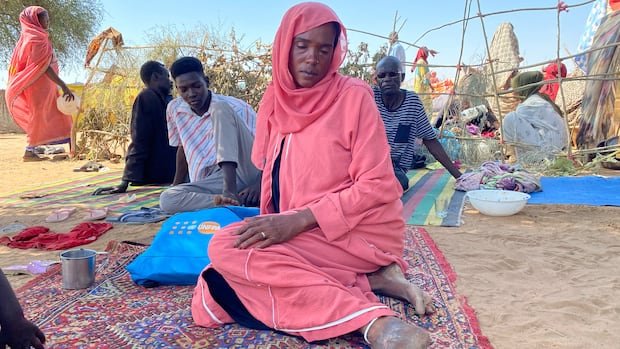

Massacres are ongoing in El Fasher, Sudan, following rebel forces’ seizure of control, breaking an 18-month blockade and raising concerns about a severe humanitarian crisis. The reported atrocities followed the Rapid Support Forces’ takeover of the army’s headquarters in the city, eliminating the paramilitary group’s final significant barrier to dominating Darfur’s vast western region. Satellite imagery suggests the presence of bodies on the streets, with an estimated hundreds killed. However, due to disrupted communication and limited refugee accounts, the full extent of the situation remains challenging to ascertain.
Concerns extend to those who managed to escape the city, particularly women, children, and the elderly, who face risks of extortion, rape, and violence during their treacherous journey. Aid workers and officials stress the urgent need to address the dire humanitarian conditions in El Fasher and Darfur. The United Nations has labeled Sudan’s 30-month civil war as the most extensive humanitarian crisis globally, characterized by severe suffering, including sexual violence, famine, indiscriminate warfare in civilian areas, and mass displacements.
The crisis in Sudan is fundamentally a failure to protect civilians, emphasizing the international community’s duty to uphold humanitarian laws. Previous warnings from aid organizations and activists about potential ethnic violence have materialized as the RSF, rooted in the Janjaweed militia responsible for Darfur’s genocide in the early 2000s, gained dominance. The situation in El Fasher echoes past atrocities in Darfur, prompting concerns about global indifference and apathy towards the unfolding crisis.
Individual stories highlight the personal tragedies within the broader conflict. Nadia Taha shared her fears for her missing uncle and relatives in El Fasher, recounting the loss of her brother, Mohammed Adam Abdullah Taha, to an RSF drone attack while aiding others during the assault. Despite the RSF’s denials of civilian harm, allegations of atrocities persist, including the recent claim by the World Health Organization of 460 deaths at El Fasher’s Saudi Hospital.
Acknowledging abuses within its ranks, RSF commander Gen. Mohammed Hamdan Dagalo, known as Hemedti, pledged accountability for any crimes committed by his forces. The United Arab Emirates (UAE) reportedly supports the RSF as part of its broader regional strategy, although it denies weapon transfers. However, past reports have indicated arms shipments to the RSF through neighboring Chad, raising concerns about external influences exacerbating the conflict.
The UN Security Council session saw divergent views, with the UAE offering humanitarian aid while facing accusations of fueling aggression in Sudan. Criticism was directed at the Security Council for failing to hold sponsors like the UAE accountable for their roles in the crisis. Amid the chaos, displaced individuals undertake perilous journeys, with some traversing hundreds of kilometers on foot to seek safety in Khartoum or other makeshift shelters like Tawila.
Evidence from satellite images and reports suggests systematic killings and ethnic cleansing in El Fasher, underscoring the gravity of the situation. The international community’s response, or lack thereof, to the unfolding tragedy raises concerns about the global indifference towards the ongoing crisis in Sudan.