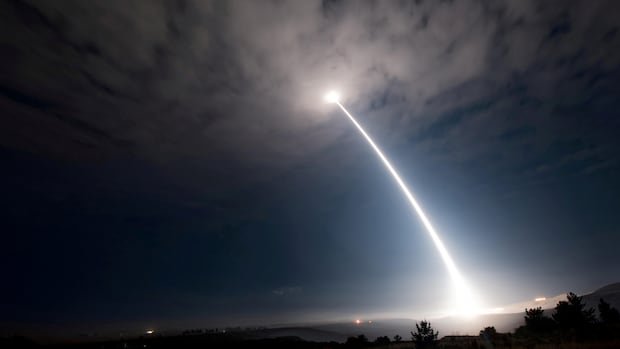

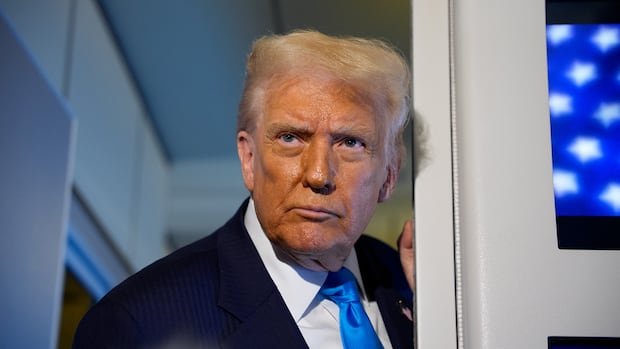
The recent resurgence of discussions around nuclear weapons testing has brought attention to a long-dormant issue. Last week, Russia conducted a test of a nuclear-powered missile without detonating an actual bomb. In response, President Donald Trump announced that the U.S. will resume nuclear weapons testing.
Since the beginning of the 21st century, North Korea has been the only country to carry out nuclear weapons tests, all of which have been conducted underground. The last nuclear test by the U.S. took place in 1992, with Russia’s last test in 1990 and China ceasing testing in 1996.
The most significant nuclear tests in history were the open-air tests conducted in the late 1940s and 1950s, which produced iconic and chilling images of the nuclear era. The enduring symbol of the nuclear threat, the mushroom cloud, originated from these tests.
The aftermath of these tests is still felt today. The U.S. tests at Bikini Atoll in the Pacific were among the largest ever conducted, rendering the area unfit for permanent habitation due to radioactive contamination.
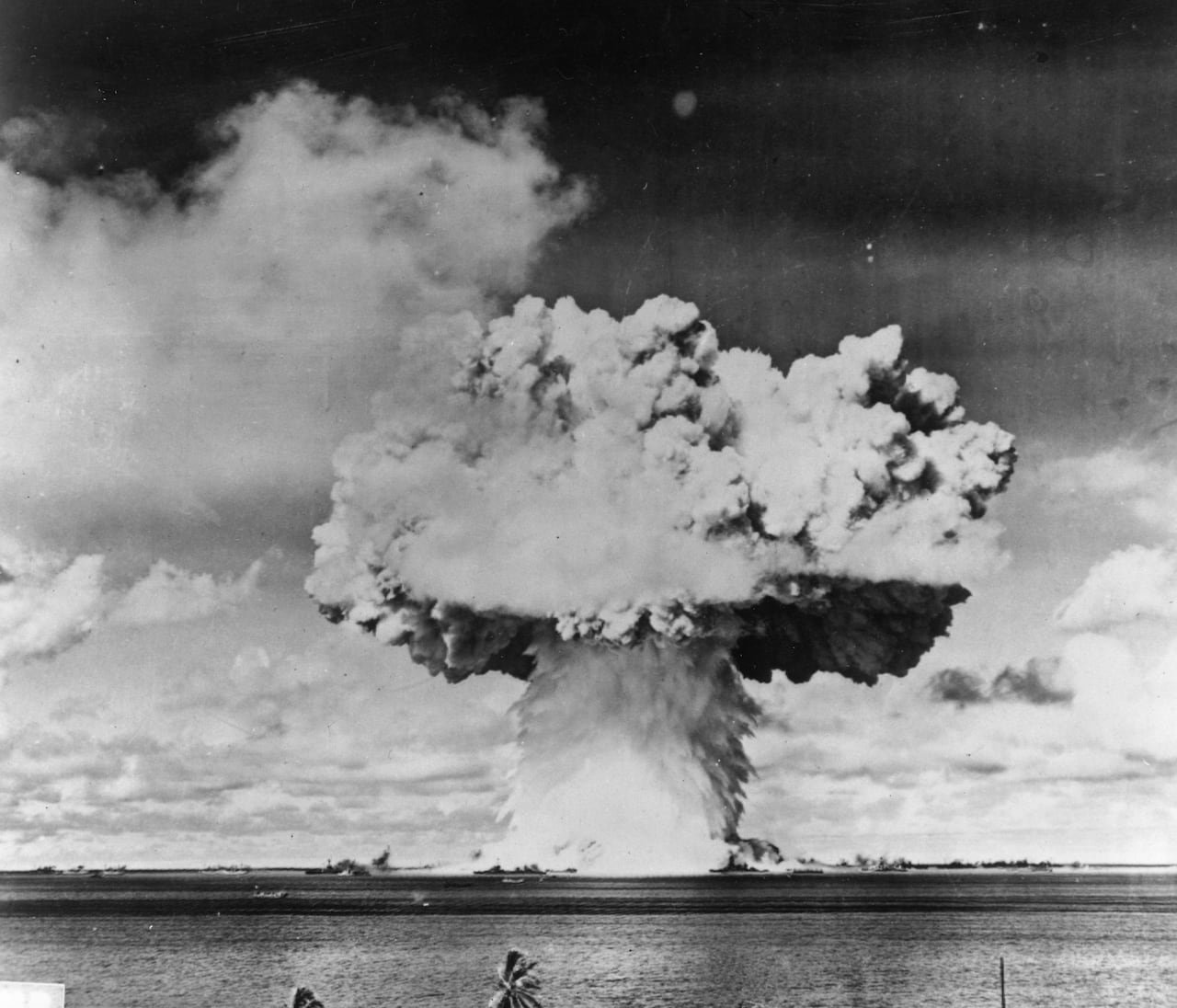
Most above-ground testing ceased in 1963 with the signing of the Partial Test Ban Treaty by the U.S., Soviet Union, and other nations. While the treaty lacked specific enforcement mechanisms, it effectively halted testing. Both the U.S. and the Soviets discontinued these practices, with France ceasing in 1974 and China in 1980.
The Transition to Cease Nuclear Testing
Although underground testing continued into the 1980s, a movement emerged to completely halt nuclear testing. In 1992, the U.S. implemented a testing moratorium, followed by the Comprehensive Nuclear-Test-Ban Treaty (CTBT) in 1996, prohibiting all nuclear test explosions worldwide.
The CTBT established a global monitoring system to detect any illicit nuclear tests. This system, comprising numerous monitoring sites worldwide, has successfully identified all of North Korea’s tests. However, the treaty has yet to enter into force due to insufficient ratifications, including from major nuclear powers and others like the U.S., Russia, China, India, Pakistan, Israel, Iran, Egypt, and North Korea.

We publish credible news and in-depth stories, guided by ethical journalism and a commitment to factual accuracy.
Company
Trending
© All rights reserved by Singapore City News