
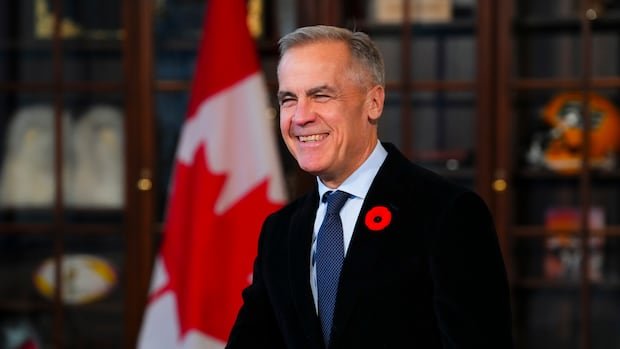

Prime Minister Mark Carney is set to introduce significant budget adjustments, including substantial cuts and savings over the next few years, along with tax structure modifications to foster competitiveness. These changes are in response to ongoing trade tensions with the United States and a persistent cost of living crisis. Carney has hinted at a mix of sacrifices and generational investments in his upcoming budget, which will be unveiled on Tuesday.
Amidst challenges faced by Canadian industries like steel, aluminum, and the auto sector due to the trade war, the government aims to stimulate growth and mitigate investment risks through tax structure reforms. Specific details of these tax changes have not been disclosed yet. Additionally, updates to the capital cost allowance are expected in the budget, benefiting businesses in their write-offs for depreciable assets.
The budget is anticipated to allocate more funds towards defense, affordable housing, and support for workers affected by U.S. tariffs. It also aims to rein in excessive spending from the previous government while aligning with NATO’s two percent GDP spending target. Moreover, the budget will emphasize operational spending separation from capital spending, with a focus on balancing the operational budget within three years while enhancing capital investments.
Furthermore, the budget will highlight targeted savings amounting to tens of billions of dollars. Notably, a significant change will be the scrapping of the previous government’s commitment to plant two billion trees by 2031, with the government now concentrating on honoring contracts for planting one billion trees.
To address climate concerns, Ottawa plans to reallocate funds towards a “climate competitiveness strategy” to reduce emissions. Despite these adjustments, the budget deficit is expected to significantly increase from previous projections, ranging between $70 billion to $100 billion, posing a challenge for Carney to regain fiscal stability and secure a confidence vote.
Finance Minister François-Philippe Champagne’s optimistic outlook suggests that the budget will contain measures appealing to all Canadians, including opposition parties. With the minority Liberal government needing opposition support during the upcoming budget vote, various demands from parties like the Conservatives and Bloc Québécois could influence the final budget decisions.
As political parties evaluate their stances on the budget, the possibility of triggering an election looms. Carney’s readiness to defend his budget in an election underscores the high stakes involved in the upcoming budget proceedings.