
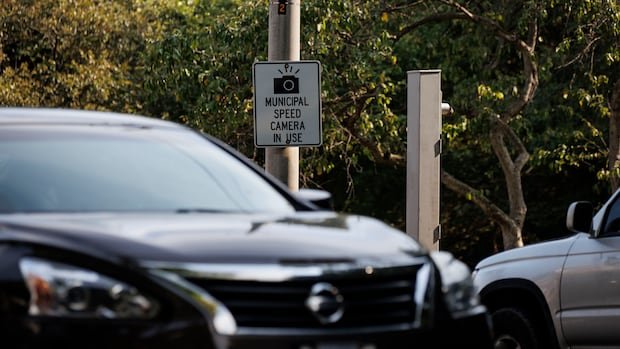

Ontario introduced Bill 56, also known as the Building a More Competitive Economy Act, on Monday, which goes beyond merely prohibiting automated speed cameras. This omnibus bill modifies over a dozen laws spanning environmental protections, health-care licensing, and labor mobility, all geared towards positioning Ontario as the most competitive location in the G7 for investment and business activities, as per the provincial government’s vision.
Bill 56 encompasses 11 key initiatives, with significant revisions including:
– Environmental Legislation Updates: Amendments to the Clean Water Act, Species Conservation Act, and Crown Forest Sustainability Act to expedite permit approvals for major projects.
– Health and Labor Provisions: Permission for qualified health care and labor professionals from other provinces to work in Ontario without additional certifications.
– Highway Traffic Act Changes: Elimination of automated speed enforcement and centralization of school zone signage authority.
Julie Simmons, an associate professor at the University of Guelph, mentioned that the streamlined permit approval process is expected to accelerate project timelines. The bill introduces a centralized approach, replacing the current multi-ministry approval system with a single channel for efficiency.
However, Simmons highlighted that certain procedures being eliminated by the bill were initially established to safeguard the environment and Indigenous land use practices. She emphasized that while the bill’s streamlined processes may spur economic growth as intended by the government, it could overlook crucial environmental considerations.
In terms of healthcare and labor mobility, Bill 56 allows certified professionals in specific health care fields and regulated trades from other provinces to practice in Ontario without additional requirements. Notably, professions like audiology, dental technology, dentistry, and denturism are mentioned in the bill.
Regarding the controversial aspect of the legislation, the removal of automated speed cameras in school zones under the Highway Traffic Act has sparked debates. Instead of speed cameras, the government plans to mandate sufficient school zone signage, with provisions for direct installation if municipalities do not comply.
Carrie Mitchell, an associate professor at the University of Waterloo and founder of Speed Cameras Save Lives, expressed concerns over the ban on speed cameras, citing their effectiveness in reducing vehicle speeds in Waterloo region school zones. Premier Doug Ford’s decision to eliminate speed cameras has been criticized, with Mitchell questioning the underlying motives behind the move.
Overall, stakeholders like Simmons and Mitchell view Bill 56 as reflecting a government narrative centered around economic challenges. The bill, currently awaiting a third reading, has drawn attention for its broad impact on various sectors, prompting discussions on its implications for governance and public safety.