

In Ottawa, decisions can have a rapid ripple effect in Quebec, as illustrated by recent events. A contentious pipeline deal between Prime Minister Mark Carney and Alberta Premier Danielle Smith set off a series of repercussions, including a ministerial resignation, a cabinet reshuffle, and a heated debate over the French language involving Quebec’s premier, the leader of the sovereigntist Parti Québécois, and various cultural associations—all unfolding in just one week.
The chain of events began with Steven Guilbeault’s resignation from the cabinet after learning about the relaxation of environmental regulations for a potential Alberta-B.C. pipeline deal. A former environmental activist, Guilbeault found the deal unacceptable and stepped down as minister of Canadian culture, identity, and official languages, as well as Carney’s Quebec lieutenant.
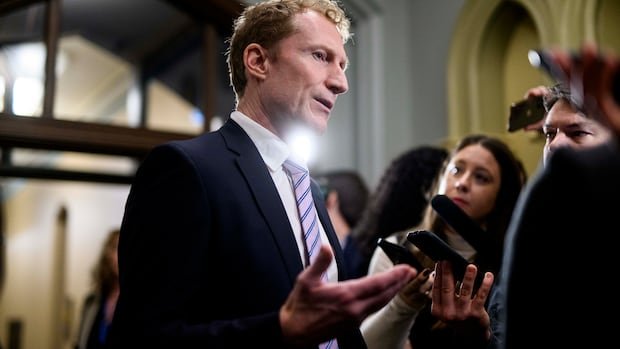
Subsequently, Marc Miller assumed Guilbeault’s responsibilities and swiftly ignited controversy by downplaying concerns about the decline of French in Quebec. This stance drew sharp criticism from Premier François Legault, who labeled Miller a “disgrace to all Quebecers.” Miller defended his position but faced backlash from Quebec cultural groups, prompting Parti Québécois Leader Paul St-Pierre Plamondon to express disappointment in those supporting Miller’s appointment.
The discord in Quebec reverberated in federal politics, with Conservative Leader Pierre Poilievre questioning Carney’s choice of Miller as culture minister. Poilievre emphasized the Conservative Party’s commitment to protecting the French language and Quebec culture, while Carney stood by Miller without directly addressing the language controversy.
The unfolding drama underscores the delicate interplay between federal decisions and Quebec’s cultural and linguistic sensitivities, with key players navigating a complex landscape of political tensions and identity debates.