
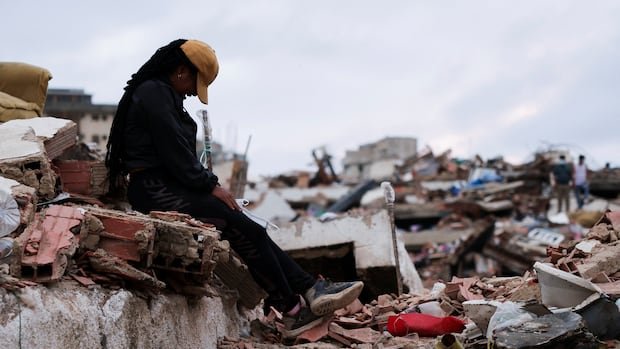

The death toll resulting from the dual earthquakes in Venezuela has now climbed to 3,535, authorities confirmed on Monday. Over 18,000 individuals are still without homes more than a week after the disaster struck the capital and adjoining coastal regions. Top legislator Jorge Rodriguez disclosed that the latest official data indicated 16,740 individuals sustained injuries, with 17,854 left homeless following the seismic events of magnitudes 7.2 and 7.5 which occurred almost simultaneously on June 24.
The updated statistics highlight the extent of the catastrophe in Caracas and La Guaira, the coastal region most severely impacted, amid growing criticism of the government’s handling of the crisis. The social vice-presidency of Venezuela reported that around 12,800 people were accommodated in 80 shelters across Caracas and La Guaira.
Dr. Mauricio Cerpa Calderon, an advisor at the Pan American Health Organization’s Emergency Operations Center in Washington, raised concerns about the escalating health risks within these temporary shelters. He emphasized issues such as overcrowding, inadequate ventilation, limited access to safe drinking water, sanitation challenges, and improper food and waste management contributing to these risks.
Immediate priorities outlined by Cerpa include addressing respiratory infections, diarrhea, skin ailments, wound infections, dengue fever, and preventable diseases like tetanus, measles, rubella, diphtheria, pertussis, and polio. Acting president Delcy Rodriguez defended the government’s response to the disaster amidst mounting frustration from citizens and criticisms from global humanitarian organizations, including the International Rescue Committee.
Rodriguez announced the immediate deployment of security forces post-earthquakes and the establishment of a new military unit to enhance preparedness for future emergencies and disasters. U.S. chargé d’affaires in Caracas, John Barrett, praised Venezuela for its full compliance with U.S. humanitarian assistance requests, emphasizing ongoing efforts to lead initiatives in mobilizing local and international response teams for affected communities in need.
In La Guaira, witness accounts revealed trucks and forensic personnel transporting coffins while trenches were being dug in a marked area with white crosses for burying bodies. The Ministry of Communication and Information in Venezuela did not respond immediately to requests for comments. Photos published by El Pais depicted graves with names and numbers.
To manage the influx of casualties, PAHO and the WHO provided technical guidance, body bags, and facilitated refrigerated containers for body storage at the port of La Guaira alongside two crematoriums in other locations. The United Nations affirmed its continued efforts to escalate aid operations in coordination with the Caracas government. Stephane Dujarric, a UN spokesperson, mentioned the deployment of search and rescue teams, engineering squads, and medical support, with national health authorities contemplating targeted vaccination campaigns in temporary shelters based on risk assessments, vaccine availability, and national guidelines.