
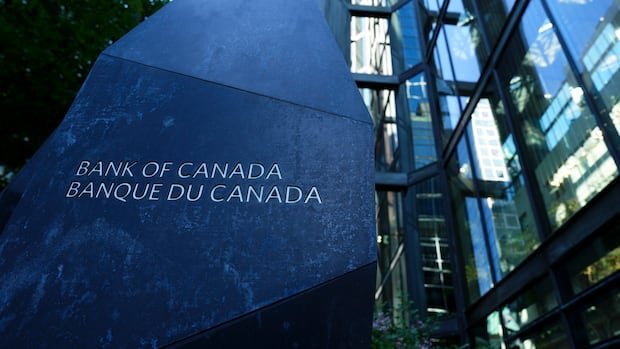

The Bank of Canada decided to maintain its key interest rate at 2.25 percent, indicating confidence in the economy’s recovery from earlier turbulence. Despite lingering risks from the Middle East conflict and U.S. trade discussions, the central bank foresees progress in overcoming these challenges.
Bank of Canada Governor Tiff Macklem expressed optimism about the resumption of economic growth in Canada after a period of stagnation. Economists widely anticipated the decision to hold rates, with all 36 experts surveyed by Reuters expecting no change until at least July of the following year. This marked the sixth consecutive time the bank opted to retain interest rates.
Although Canada faced economic setbacks in the first part of the year, the bank now sees clear signs of growth resurgence in the second quarter. The initial economic contraction surprised the bank, but it anticipates a rebound as consumer and government spending strengthen. The bank projects a 2.5 percent growth rate in the second quarter, bolstered by increasing exports.
Inflation rose to 3.2 percent in May, primarily driven by fuel and food prices, yet the Bank of Canada believes this surge will not significantly impact other product costs. While inflation is expected to remain elevated in June before moderating, the bank aims to reach its two percent target by early 2027.
Macklem emphasized the importance of monitoring developments in the Middle East, stating that prolonged high oil prices could lead to persistent inflation. The bank remains prepared to implement rate hikes if necessary to combat inflation effectively.
The ongoing challenge of balancing rising inflation and sluggish growth has posed a dilemma for the bank. Adjusting interest rates could address inflation but may hinder economic growth. The bank hopes that as inflation subsides and growth accelerates, this dilemma will resolve itself.
While recent positive indicators have improved short-term forecasts, uncertainties, particularly fluctuating oil prices, continue to cloud long-term outlooks. BMO’s chief economist predicts the central bank will maintain its current stance throughout the year, prioritizing stability despite hints of a slightly hawkish tone in its rhetoric.