
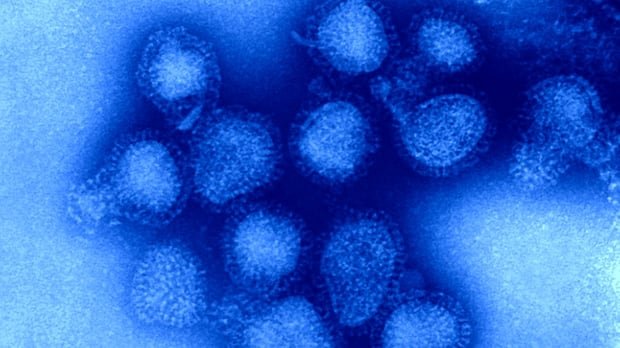

With the rise of flu cases in Canada, healthcare professionals are preparing for a challenging influenza season due to the global spread of an evolving H3N2 strain that may not match this year’s vaccine. Recent federal data indicates that about two percent of nationwide tests returned positive for influenza in the previous week, signaling an increase compared to earlier weeks, although it has not reached the five percent threshold for Canada to declare a seasonal flu epidemic.
The Southern Hemisphere has experienced a high number of flu cases, setting a record, with an early flu season onset in parts of Asia and the U.K. These occurrences may serve as a precursor to what Canada might face in the upcoming winter season.
Dr. Jesse Papenburg, a pediatric infectious disease specialist at the Montreal Children’s Hospital and the McGill University Health Centre, highlighted that the Southern Hemisphere has witnessed above-average influenza detections for the second consecutive year. The severity of flu cases in Canada could mirror the previous year, which was one of the worst influenza seasons in a decade.
Australia reported over 410,000 lab-confirmed flu cases, marking a second consecutive record-breaking flu year. In the U.K., the flu season kicked off earlier than usual, with cases three times higher than the previous year. Similarly, parts of Asia, including Japan, have declared a flu epidemic, leading to the closure of many schools.
Health experts speculate that a mutating H3N2 strain may be driving the early surge in flu cases, causing concern as the strain appears to be diverging from the current flu vaccine. Dr. Danuta Skowronski of the B.C. Centre for Disease Control emphasized that although the H3N2 subtype has remained relatively stable for years, recent structural changes suggest a potential mismatch with the latest vaccine.
While Canadian public health officials are cautious in making predictions, they monitor global respiratory virus activity to anticipate potential impacts in Canada. The current situation in the Southern Hemisphere may not directly correlate with the Canadian experience due to varying seasonal dynamics.
As the flu season progresses, experts anticipate a rise in H3N2 cases in Canada, primarily affecting older adults who are more vulnerable to severe outcomes. Despite the potential vaccine mismatch, health professionals advise Canadians, especially seniors, to get vaccinated against the flu, alongside other recommended vaccines such as COVID-19 and respiratory syncytial virus shots.
Seasonal immunization clinics are operational across several provinces, urging Canadians to prioritize vaccination to protect themselves and vulnerable populations.