
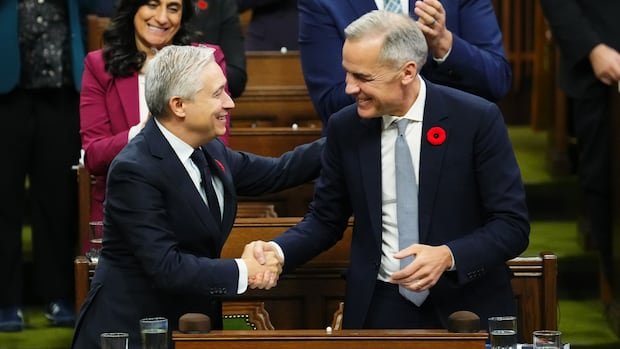

The recent federal budget tabled by Prime Minister Mark Carney and the Liberal government has sparked curiosity among Canadians regarding how it addresses their concerns. To shed light on this, Catherine Cullen, host of The House podcast, and J.P. Tasker, a senior politics reporter for CBC News, have been engaged to answer questions and dissect the budget contents.
The main budget vote is scheduled for later this month, with four days earmarked for parliamentary debate. The opposition parties are expected to present amendments during this period. Notably, the Liberals have overcome two confidence votes despite facing challenges from opposition parties.
Concerns about the budget’s financial implications have been raised, particularly regarding how the government plans to fund its commitments. The government aims to create employment opportunities through local infrastructure investments totaling $51 billion over the next decade, focusing on areas like roads, housing, water facilities, and health infrastructure.
While the budget does not introduce new initiatives specifically for seniors, it does impact them indirectly through various spending measures. Additionally, the budget addresses student-related matters by allocating substantial funding to programs like Canada’s summer jobs program and the student work placement initiative.
Housing is a significant component of the budget, with a $13 billion investment over the next five years to boost affordable housing supply. Measures to support first-time homebuyers include tax incentives for developers and the elimination of GST on new homes up to $1 million.
The budget also includes provisions to enhance access to the Canada Disability Benefit, with a focus on simplifying the application process and providing financial support for applicants. Overall, if you seek further details on the budget, the full proposal can be accessed online.