
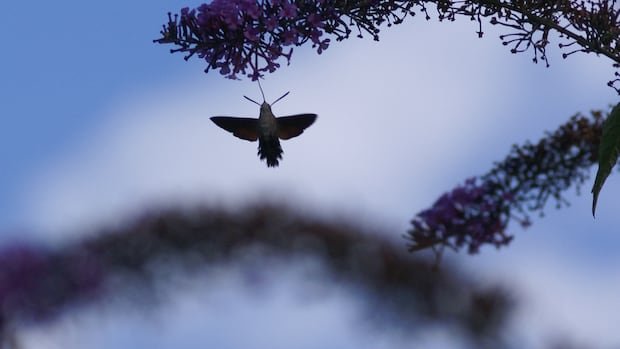

In the past, many individuals have fond recollections of summer evenings filled with moths and mayflies fluttering around porch lights or road trips leaving windshields covered in insects. However, a noticeable shift appears to be occurring.
According to scientists, these memories reflect a genuine phenomenon: a decline in insect populations in Canada and globally, impacting birds, bats, fish, plants, and humans.
PhD student Hadil Elsayed from York University conducted a study in southern Ontario, revealing that the total mass of insects captured at two protected sites had decreased by about half since the 1990s. Concurrently, a citizen-science initiative in the U.K. monitoring insect splatter on license plates noted a significant drop in flying insects. Similar studies worldwide have documented declines in insect populations.
Elsayed meticulously trapped insects over several summers between 2021 and 2023 at Long Point National Wildlife Area and St. Williams Conservation Reserve. Her preliminary findings, yet to undergo peer review, indicate a roughly 50% reduction in the total mass of trapped insects over the past three decades, from 645 grams to 333 grams.
These outcomes align with a recent study by researchers at the University of Michigan and Birds Canada, which reported a 62% decrease in flying insects at the Long Point Bird Observatory between 1977 and 2011.
The majority of insects collected by Elsayed were minuscule midges, serving as a vital food source for various wildlife. The noted decline equates to around 640 million midges lost, a staggering figure that Elsayed described as “heartbreaking.”
The impact is widespread, affecting not only rare species but also common insect groups like flies, butterflies, and beetles. Conservationist Andrew Whitehouse emphasized the importance of common species, highlighting their essential roles in pollination and ecosystem maintenance.
Experts attribute the decline in insect populations to habitat loss, invasive species, pesticides, pollutants, and climate change. The repercussions are evident, with insect-eating species like swallows showing signs of dwindling numbers due to reduced prey availability.
Insects play crucial roles beyond wildlife sustenance, such as pollination, pest control, and maintaining the food chain. The decline in insect populations underscores the urgent need for conservation efforts worldwide.
Elsayed and Whitehouse suggest that addressing habitat preservation, reducing pesticide use, and promoting native vegetation can help reverse insect declines. Success stories, like the recovery of certain beetle and butterfly species, highlight the positive impact of conservation measures.
Ultimately, advocating for interconnected natural spaces and fostering a collective concern for insect conservation is crucial to safeguarding these vital components of ecosystems and our daily lives.