
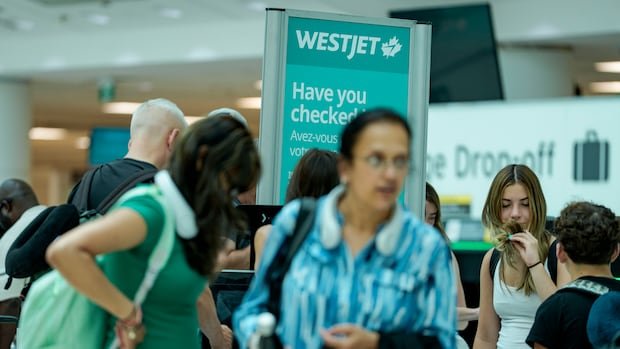

A potential work stoppage is looming for 4,400 flight attendants at WestJet, the second-largest airline in Canada. The airline has already canceled multiple flights in anticipation of a strike. The flight attendants’ union issued a 72-hour strike notice, to which WestJet responded by issuing a 72-hour lockout notice.
The strike and lockout have not commenced yet. The flight attendants, represented by the Canadian Union of Public Employees (CUPE), have signaled their intention to strike, with negotiations ongoing during the 72-hour notice period. The deadline for the notice is Sunday at 12:01 a.m. MT or 2:01 a.m. ET, marking the earliest possible start of a strike if an agreement is not reached. Both sides are actively negotiating to reach a resolution.
WestJet has already canceled 198 flights as of Saturday morning. If an agreement is not reached before Sunday, further disruptions may occur. The airline aims to prevent passengers and crew from being stranded and advises travelers to check their flight status before heading to the airport.
For passengers with upcoming flights between July 30 and August 4, WestJet is allowing a one-time change or cancellation without fees. Refunds to the original payment method are available for PremiumFlex and BusinessFlex bookings, while others will receive travel credit. In case of delays or cancellations, affected passengers will be refunded or re-accommodated as necessary under Canada’s Air Passenger Protection Regulations.
WestJet will notify passengers directly about any changes if they booked directly with the airline. Passengers who booked through a third party will need to make changes through the third party. In the event of flight cancellations, WestJet is responsible for rebooking passengers on other airlines, though this may pose challenges during a busy summer weekend.
The dispute revolves around compensation for ground work, a contentious issue that previously led to a work stoppage for Air Canada flight attendants. WestJet’s current payment system combines various tasks into a single pay rate, which has become a point of contention with the union. Other airlines, like Delta Air Lines, have reformed their payment structures to specifically compensate flight attendants for ground duties.