
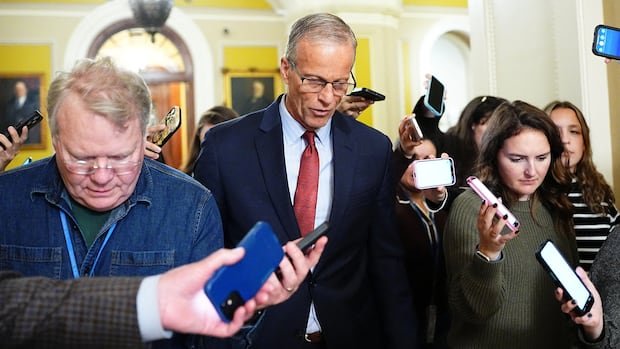

The U.S. Senate moved forward to end the government shutdown on Sunday as a group of moderate Democrats agreed to proceed without a guaranteed extension of health-care subsidies, causing division within their party. The Senate voted 60-40 to advance compromise legislation funding the government and delaying a vote on extending Affordable Care Act tax credits set to expire on January 1. Final approval may take days if Democrats raise objections.
The compromise does not ensure the extension of Affordable Care Act subsidies, a key demand by Democrats for nearly six weeks. Senate Minority Leader Chuck Schumer voted against the package, as did most Democrats. The breakthrough came when three former governors turned senators—Jeanne Shaheen and Maggie Hassan of New Hampshire, and Angus King of Maine—agreed to support advancing bipartisan spending bills and extending government funding until late January in exchange for a mid-December vote on health-care tax credits.
The agreement also addresses the mass firing of federal workers during the shutdown, ensuring back pay for affected employees. Senate Majority Leader John Thune endorsed the deal, urging immediate action to address the shutdown’s disruptions to flights, food assistance, and federal worker salaries.
President Donald Trump, upon returning to the White House, did not explicitly endorse the deal but indicated progress towards ending the shutdown. Notably, only five Democrats ultimately switched their votes to support the compromise, aligning with Republicans to reach the necessary majority.
Despite these developments, some Democrats, led by Schumer, expressed dissatisfaction with the agreement and vowed to continue fighting for health care. Independent Sen. Bernie Sanders criticized the decision to give up the fight, echoing sentiments from other Democratic senators who believe their constituents expect them to stand firm.
The agreement proposes funding key government programs and extends funding until January’s end, with a commitment to vote on health-care subsidies in mid-December. It includes provisions to reinstate federal workers, reimburse states for program costs, and safeguard workers from layoffs. The deal also addresses lawmakers’ security concerns and introduces measures related to hemp-based products.
As Republicans seek Democratic support to end the shutdown, internal pushback is expected among Democrats who believe the deal falls short on health-care commitments. House Democrats, including members of the progressive caucus, criticized the agreement for lacking concrete measures to reduce health care costs, emphasizing the need for a stronger stance in negotiations.