
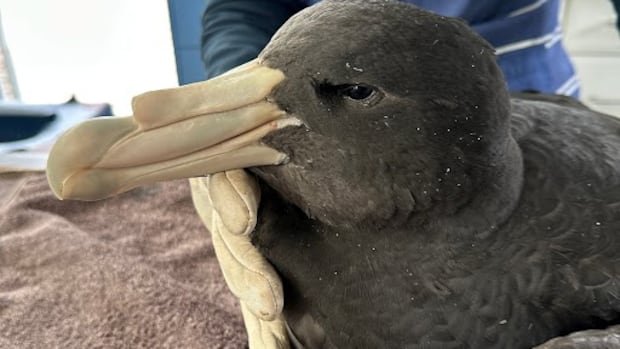

Australia issued a warning on Monday regarding the potential for a wider spread of H5N1 bird flu following a significant mortality event among seabirds that claimed the lives of approximately 50 greater crested terns off the coast south of Adelaide. Despite this incident, there have been no reported cases of the virus affecting Australia’s poultry farms, many of which have implemented strict measures to protect their flocks since the initial detection in June.
The Agriculture Minister, Julie Collins, confirmed the presence of H5N1 bird flu through testing conducted on a group of 49 deceased and 35 ailing terns discovered during helicopter surveillance near Cape Jaffa, located 250 kilometers from Adelaide, on Friday. Collins emphasized that Australians should anticipate a rise in the spread of the virus among wildlife, resulting in larger numbers of affected animals. She underscored that this marked the first documented occurrence of mass mortality due to H5N1 bird flu, indicating an inevitable impact on wildlife populations.
Collins disclosed that Australia has reported a total of 74 confirmed cases, with infections spanning across regions such as Western Australia and Queensland, although the majority of cases have been concentrated in South Australia. Both Australia and New Zealand, which recently recorded its initial H5N1 case, have been preparing for the virus’s potential outbreak for years, implementing stringent biosecurity protocols on farms, conducting tests on shore birds, vaccinating susceptible species, and developing comprehensive response strategies.
In recent years, the H5N1 bird flu has resulted in the deaths of countless birds and mammals globally, causing substantial economic losses for poultry farmers, infecting cattle in the United States, and leading to the discovery of bird and seal carcasses on beaches. While H5N1 bird flu can be transmitted to humans through contact with infected animals, the reported human cases worldwide have been minimal, with health officials assessing the risk to humans as low.