

In April 1971, Quebec’s premier Robert Bourassa revealed a groundbreaking plan known as the “project of the century” aimed at harnessing the vast hydroelectric potential of the province’s northern region to stimulate the economy and meet rising energy demands. The ambitious project involved constructing 11 hydroelectric dams, including eight on the La Grande river that extends from the heart of Quebec to James Bay, covering a distance of 900 kilometers to the west. Additionally, three other rivers – the Eastmain, Opinaca, and Caniapiscau – would be redirected to create large artificial reservoirs, submerging 11,500 square kilometers of forest area underwater, equivalent to about 30 times the size of the Island of Montreal.
This project, unprecedented in the province’s history, spanned over 40 years and currently generates a significant 17,000 megawatts of power, amounting to half of Quebec’s current electricity production. The massive undertaking required thousands of workers, ranging from engineers to cooks, forming a small village at a remote worksite over a thousand kilometers away from Montreal. However, a critical oversight occurred during the initial phases as the province failed to consult with Cree and Inuit communities whose territories were about to be significantly impacted by this massive development project.
Similarly, the Cree communities around James Bay expressed opposition to the project, particularly concerning the proposed reservoirs that would flood traditional trap lines crucial for many families. This led to a pushback from community members who were concerned about the potential threat to their traditional way of life and resources essential for their livelihood.
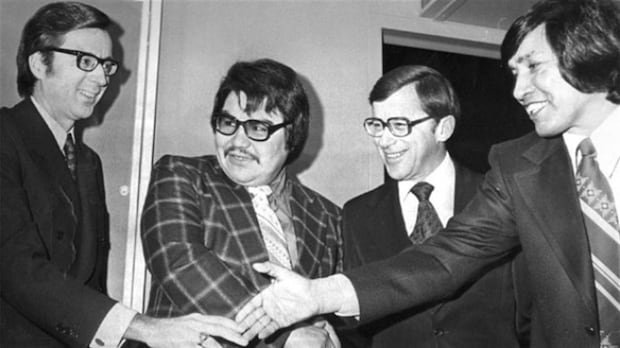
The discontent among Indigenous communities eventually led to legal action, culminating in a landmark decision by Judge Albert Malouf in 1973, calling for a halt to all construction work and urging the province to engage in negotiations with Cree and Inuit communities. Subsequently, after nearly two years of negotiations, Indigenous leaders signed the James Bay and Northern Quebec Agreement (JBNQA) in 1975 with provincial and federal governments, marking a historic milestone in Canadian history.
The agreement, encompassing 30 chapters spread across 450 pages, dictated the legal framework for hydroelectric, mining, and forestry developments in the James Bay region and Nunavik. One pivotal chapter required Cree and Inuit communities to relinquish their rights to the majority of their traditional territories, allowing Quebec to proceed with its hydroelectric projects. In return, the Indigenous signatories received increased autonomy over education, healthcare, and economic development within their communities, along with a substantial financial compensation of $225 million administered through respective Indigenous councils.
Despite the agreement’s positive outcomes, it remains a topic of debate within Indigenous communities, with varying perspectives on its long-term impacts and effectiveness in achieving economic freedom for the Inuit and Cree populations. The implementation of the agreement posed challenges for the Indigenous communities as they navigated the complexities of the new regulatory framework while witnessing firsthand the environmental impacts of the hydroelectric projects on their lands.