
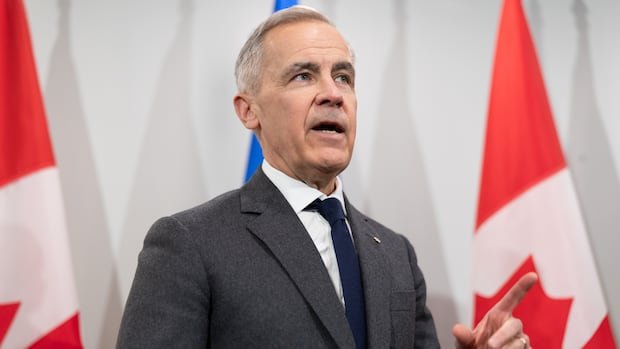

The coalition of nations backing Ukraine, with Canada among them, are at a critical juncture as they assemble in Paris this week to chart a viable course toward a potential ceasefire and reconstruction. Prime Minister Mark Carney is set to participate in the gathering of over 30 leaders, focusing on the crucial issue of postwar security guarantees intended to dissuade Russia from temporarily halting its aggression only to resume it against other Eastern European countries in the future.
The leaders will convene on Tuesday at the invitation of French President Emmanuel Macron, following a meeting of defense chiefs from coalition nations on Monday. Prior to this, Ukrainian President Volodymyr Zelenskyy engaged with 18 coalition national security and defense advisers in Kyiv over the weekend. Discussions, which involved Canada’s former NATO ambassador and current defense policy adviser to the prime minister, David Angell, centered on collective security guarantees and their role in the broader peace efforts led by the U.S. and President Donald Trump.
Zelenskyy expressed optimism that security guarantees would be finalized during the Paris meeting, noting upcoming discussions with President Trump’s team in the French capital. Emphasizing the need for robust and credible security guarantees in the face of Russia’s ongoing incursion, Zelenskyy criticized Russia for its lack of genuine commitment to peace, citing its use of negotiations as a tactic to prolong the conflict.
Matthew Schmidt, an associate professor and national security expert at the University of New Haven, praised Ukraine’s success in garnering military support from European nations, noting the significance of the coalition of Ukraine-friendly countries, including Canada. This support offers Zelenskyy the prospect of meaningful security assurances despite the absence of NATO membership.
Concrete security pledges from Europe and Canada could potentially obviate Ukraine’s aspiration to join NATO. President Trump has put forth the offer of robust security guarantees as part of a peace framework, suggesting a 15-year timetable subject to congressional approval. In contrast, Zelenskyy advocates for an extended timeframe, highlighting uncertainties surrounding the U.S. administration’s evolving stance on Ukraine.
Efforts are underway to position Ukraine for potential peace talks, although the extent of Russia’s willingness to compromise remains uncertain. While the Kremlin has indicated openness to utilizing a U.S.-led peace initiative as a foundation for future negotiations, it continues to press for terms that entail significant concessions from Ukraine, including territorial relinquishments in the eastern region. Additionally, Russia demands a substantial downsizing of the Ukrainian military to a symbolic force and opposes foreign military presence on Ukrainian soil within Western security guarantees.