
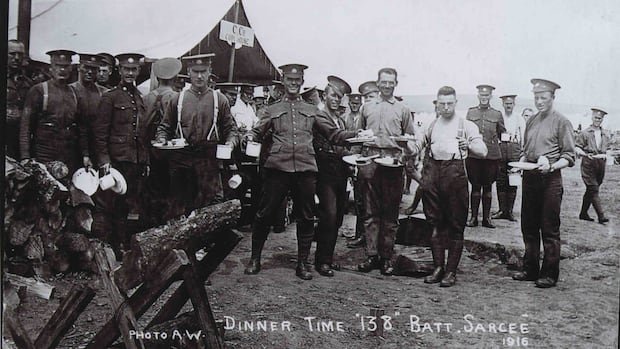

In a small town in northern B.C., Lester Harper, a farmer, enlisted in the army on New Year’s Eve in 1916 with hopes of returning home in time for harvest. Historian Brandon Marriott, author of the book “Till We Meet Again,” revealed that Harper had a romanticized view of the army and the war, influenced by his adventurous past experiences and family members already serving on the front lines.
Upon arriving in France, Harper’s expectations were shattered as he encountered the harsh reality of war. Despite censorship of his letters, Harper’s correspondence with his wife, Mabel, was remarkably candid and emotional, detailing the cultural shock he experienced witnessing the stark contrast between his upbringing in a conservative community and the realities of war-torn Europe.
Marriott highlighted the brutality of World War I, emphasizing Harper’s vivid descriptions of the horrors he witnessed, including the overwhelming death toll and gruesome battlefield scenes. The historian also underscored the significance of honoring the sacrifices made by military personnel and their families, especially on Remembrance Day.
Throughout his time in the trenches, Harper expressed disillusionment towards political leaders and the grim toll that war took on his comrades. Despite his heroic actions during a raid in 1918, Harper remained humble about his achievements, downplaying his valor.
Marriott emphasized the importance of caring for veterans and acknowledging the long-term impact of military service, as illustrated by Harper’s reluctance to discuss his wartime experiences and the lasting effects it had on him and his family.