
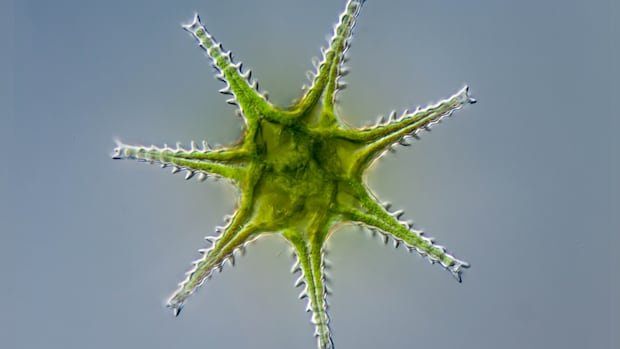

A rejuvenated forest may present an appearance of height, lushness, and verdant greenery. Similarly, revitalized wetlands can teem with buzzing insects and fluttering birds. However, upon closer inspection, scientists have noticed the absence of some of the smallest life forms, including certain mosses, lichens, algae, and fungi in these restored habitats.
While habitat restoration can aid in the recovery of declining animal and plant species, recent studies have revealed that the return of all inhabitants is not uniform. Some of the tiniest and least conspicuous organisms may remain scarce or entirely absent for extended periods, potentially impacting other species.
Ellen Macdonald, a botanist from the University of Alberta, has dedicated her research to studying forests, focusing not on the trees themselves but on the minute flowers, mosses, liverworts, and lichens that thrive in forest ecosystems.
In a recent study published in the journal Nature Sustainability, Macdonald combined her research with global data to analyze the regrowth of boreal forests following clearcutting. The research demonstrated that birch and aspen forests recovered, along with their inhabitants, within 25 years, whereas the recovery of conifer forests, especially understory plants like lichens, mosses, and liverworts, took significantly longer — 85 years or more in some cases.
This phenomenon is not exclusive to boreal forests but is also observed in wetlands and other restored habitats where seemingly healthy environments may lack certain less visible species, indicating a form of “dark diversity.” This silent loss of species, as described by Viktoria Wagner, an associate professor at the University of Alberta, can lead to a decrease in overall species richness at specific sites.
According to experts like Michael Melkonian and Wagner, the absence of these small species can have far-reaching consequences, affecting ecosystem functions and species interactions. Preserving biodiversity calls for active measures to restore and maintain habitats across landscapes to ensure the persistence of various species. Strategies such as selective harvesting in conifer forests could help conserve more species and promote ecosystem resilience.
Algae, a crucial but often overlooked group of organisms, play a significant role in global photosynthesis and ecosystem dynamics. Melkonian’s efforts to collect and preserve these diverse algae species highlight the importance of safeguarding these lesser-known organisms to maintain ecological balance and biodiversity.
In conclusion, understanding these ecological patterns can guide landscape management practices to protect and restore biodiversity effectively. Preserving these often-overlooked species is essential for maintaining healthy ecosystems and supporting the intricate web of life on Earth.