
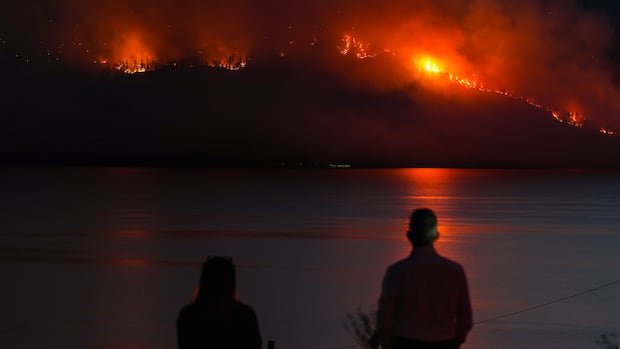

In a resurgence of the Pacific Ocean’s disruptive weather pattern, the infamous El Niño, known as a “super” or “Godzilla” event, is making a forceful comeback. This occurrence coincides with record-breaking heat in North America and Europe during July, leading to numerous heat-related fatalities, dried-up waterways, and widespread wildfires. Among the affected regions, Canada has witnessed over 4.1 million hectares of forest land consumed by flames, enveloping vast areas in thick smoke that extended into the U.S.
Although this period of extreme heat aligns with the onset of El Niño, climate experts assert that the phenomenon is not directly responsible for these calamitous weather events. However, they caution that the natural phenomenon may exacerbate the already intensified extreme weather conditions caused by human-induced climate change.
According to Josh Willis, a climate scientist at NASA’s Jet Propulsion Laboratory, the impacts of El Niño will be extensive and far-reaching across a vast geographical area. As this weather pattern unfolds, experts anticipate a tumultuous journey ahead.
El Niños naturally occur every three to seven years, commencing in spring and persisting well into the following year when surface water temperatures in the Pacific, near the equator, rise at least 0.5 degrees Celsius above average. This warming phenomenon heats up the air above the ocean, leading to atmospheric rearrangements that cause contrasting weather patterns, such as increased rainfall in arid regions and drought in typically wet areas.
While this El Niño may have initiated alongside recent heatwaves and wildfires, its full impact on regions like Canada is not expected until late fall and winter. Despite the inability to directly link this El Niño to ongoing heatwaves and wildfires, experts, like Muhammad Azhar Ehsan from Columbia University, acknowledge the unprecedented nature of this event and advocate for further research to understand its implications.
Forecasts indicate that this El Niño may rival the strength of past notable occurrences such as those in 2015-16 and 1997-98, the most powerful El Niños recorded since 1950. The warming world, compounded by human-induced climate change, sets the stage for a potentially unpredictable future, challenging existing climate models.
As El Niño continues to unfold, its effects are already being felt worldwide. From heavy rains and flooding in Peru to prolonged droughts in Panama, the impacts are diverse and far-reaching. Countries like Indonesia are grappling with an extended wildfire season due to the prevailing weather conditions associated with El Niño.
In North America, the hurricane season is also witnessing changes, with fewer tropical storms and hurricanes in the Atlantic Ocean attributed to El Niño’s influence. Conversely, the Eastern Pacific region has already experienced nine named storms, including Hurricane Genevieve and Tropical Storm Lala, causing significant damage in Hawaii.
The extraordinary warmth and wildfires experienced this summer are attributed to human-induced climate change, with El Niño acting as a temporary enhancer of this long-term trend. Climate experts warn that the repercussions of this El Niño will persist well into 2027, as the accumulated heat in the ocean gradually transfers to the atmosphere.
As the world grapples with the ongoing impacts of El Niño and climate change, it is evident that extreme weather events are becoming more frequent and severe, necessitating a deeper understanding of these interconnected phenomena and their lasting effects on our global climate system.