
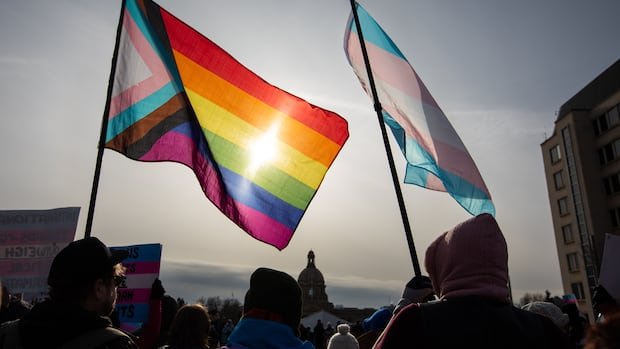

Alberta recently utilized the notwithstanding clause to bypass certain transgender policy bills, allowing the government to circumvent specified rights outlined in the Charter of Rights and Freedoms. This clause grants the authority to override any or all of the ten Charter sections, preventing individuals from challenging government policies in court for potential rights violations.
This move marks the second, third, and fourth instances of the notwithstanding clause being invoked within a month in Alberta. One of the controversial laws affected by this exemption pertains to the government’s restrictions on gender-affirming surgery and treatment for teenagers. A Court of King’s Bench justice ruled in favor of gender diverse youth, stating that a trial should determine whether the government’s ban violated Section 7 (right to life, liberty, and security of the person) and Section 15 (equal protection under the law without discrimination) of the Charter.
Additionally, challenges were brought against laws restricting transgender athletes and teens from changing their pronouns in schools, alleging violations of Sections 7, 15, and 12 (right to be free from cruel and unusual treatment). Despite opposition from various groups, including medical professionals and teachers, Premier Danielle Smith remained confident in the constitutionality of her policies.
The government’s decision to invoke the notwithstanding clause was defended as a means to prevent delays in implementing necessary protections for youth, citing potential harms if court proceedings were protracted. Although critics have raised concerns about the undemocratic nature of this action, the government maintains that the bills reflect the majority opinion in Alberta.
While Smith has repeatedly expressed her desire for transgender and gender-diverse youth to feel welcome in the province, the notwithstanding clause serves as a shield for government legislation against challenges based on perceived infringements of individual rights.