
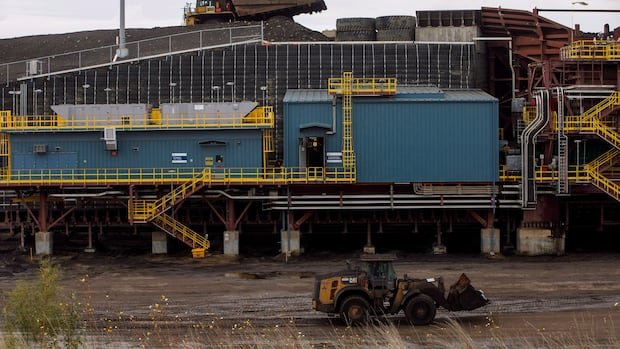

A decade of relative calm in Alberta’s oilsands may see a resurgence with the introduction of a new West Coast pipeline and policy adjustments by the federal and provincial authorities. Prime Minister Mark Carney’s visit to Fort McMurray, Alberta, revealed the approval of the Pacific Link pipeline, capable of transporting one million barrels per day to a tanker terminal in southern British Columbia. This project has been granted national interest status, expediting the review process through a specialized Calgary office.
The success of the Pacific Link pipeline hinges on the willingness of oilsands companies to invest in expanding their production capacities. Carney emphasized the potential for sustained growth rather than a rapid boom in the region. Past experiences with large-scale projects in the oilsands have been fraught with challenges such as cost escalation and workforce shortages.
Amid a changing landscape, companies have shifted focus from new megaprojects to optimizing existing operations due to constraints like limited pipeline capacity and stringent regulations. The recent decision to fast-track the Pacific Link pipeline reflects a broader shift in energy policies and market dynamics, with an eye towards exporting oilsands crude to lucrative Asian markets.
Leaders in Alberta are preparing for potential production increases by discussing necessary infrastructure upgrades, including road improvements to support heightened activity. Industry experts note the evolution of the oil sector since the previous boom, highlighting improved efficiency and collaboration among producers. However, concerns persist about the availability of skilled labor to support multiple ongoing projects in the region.
As the energy sector adapts to new opportunities and challenges, a more strategic approach to project sequencing and workforce planning will be essential to ensure sustainable growth and development in Alberta’s oilsands industry.