
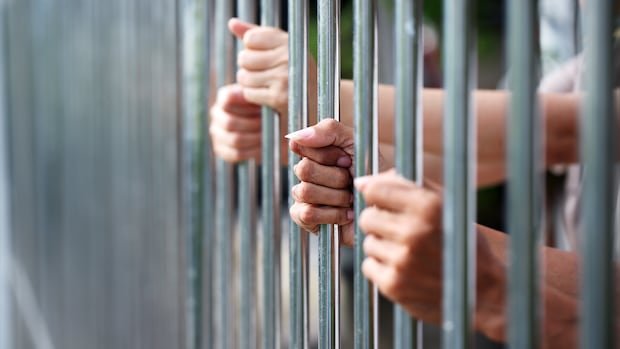

An 18-year-old facing severe fetal alcohol spectrum disorder was accused of forcing drivers off the road using a stolen truck and was one of the individuals denied bail in recent court proceedings in Winnipeg. The accused, who started consuming alcohol at the age of eight, was awaiting community support arrangements when arrested in September. Additionally, the individual was under a probation order prohibiting them from operating a vehicle due to prior similar convictions.
Despite expressing empathy for the accused’s circumstances, a judge denied bail, highlighting the inherent risk involved. The court emphasized that even an ankle monitor, suggested by the accused’s lawyer, would not address the impulsivity commonly associated with fetal alcohol spectrum disorder, as noted in court. The judge emphasized the individual’s capability to steal a vehicle, citing past actions.
During bail hearings in Winnipeg’s contested courtrooms, where seven accused individuals appeared remotely, only two who sought bail were granted release. These proceedings occurred amidst mounting calls for bail reforms, culminating in proposed legislation aimed at tightening bail conditions, particularly for repeat and violent offenders.
The challenges faced in bail court often revolve around mental health issues, addictions, homelessness, and conditions like fetal alcohol spectrum disorder. Legal professionals in Manitoba have highlighted the lack of community support for individuals grappling with these complex issues, which further complicates bail decisions.
While instances of individuals on bail reoffending grab headlines, legal experts stress that the majority of cases proceed as intended. Public safety remains a primary concern guiding bail decisions, despite occasional setbacks. Defense lawyers and prosecutors underscore the need for enhanced support systems rather than punitive measures, especially for vulnerable populations dealing with mental health and addiction challenges.
Bail hearings involving individuals struggling with homelessness, mental health issues, and substance misuse underscore the systemic shortcomings in addressing underlying social issues contributing to criminal behavior. Legal stakeholders advocate for tailored bail plans and increased resources to tackle the root causes driving individuals into the justice system.
The bail process in Manitoba faces significant caseload challenges, with limited resources hindering the development of comprehensive and individualized bail plans. Both prosecutors and defense lawyers stress the need for more specialized resources to address the multifaceted social issues encountered in bail court, ultimately aiming to reduce recidivism rates and improve outcomes for accused individuals.