
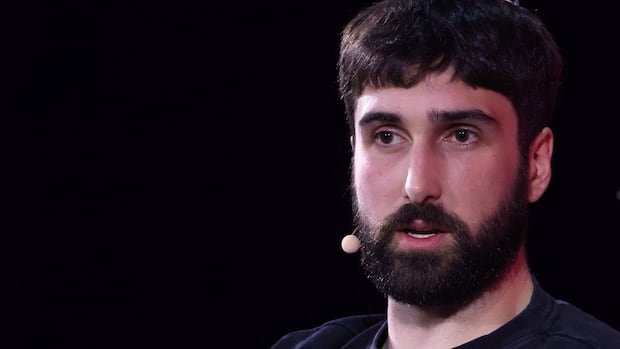

The CEO of a prominent artificial intelligence company in Canada is cautioning against alarmism, responding to recent concerns raised by an Anthropic researcher suggesting a more than 10% chance of AI posing a threat to humanity within a decade. Aidan Gomez, from Cohere in Toronto, emphasizes the importance of developing AI safeguards while also recognizing the potential benefits, such as reducing living costs and driving medical advancements.
Gomez dismisses the “extinction risk” narrative as fear-mongering rooted in science fiction scenarios, highlighting the lack of factual basis behind such claims. He echoes Prime Minister Mark Carney’s proposal for a global oversight body to manage AI risks. Canada, he notes, holds a strong position in the international AI landscape due to its early research initiatives, positioning itself alongside countries like the United States, China, and France.
Regarding industry partnerships, Gomez underscores Cohere’s role in contributing to Canada’s AI leadership, with collaborations established with the federal government and Bell Canada. At an investment summit led by Carney in Toronto, numerous Canadian business leaders, including Gomez, gathered to attract significant investments over the next five years. Noteworthy projects, such as a $14.5 billion data center in Alberta and expansions by Bell Canada, were announced during the summit.
While Carney emphasizes the need for swift and predictable decision-making in advancing Canada’s investment agenda, concerns within the AI sector persist. Calls for caution in AI development have emerged from industry figures like Dario Amodei and Sam Altman, advocating for safety measures and regulatory frameworks. However, Gomez opposes the idea of industry-led oversight, cautioning against potential monopolistic control over AI regulations.
Looking ahead, Evan Solomon, the federal minister for AI and digital innovation, underscores the government’s commitment to prioritizing AI safety. Collaborative efforts with Canadian AI pioneer Yoshua Bengio and Germany are expected to lead to significant announcements on AI safety measures. As discussions on global AI regulations continue, experts like Jas Jaaj from Deloitte Canada emphasize the importance of establishing international safeguards despite challenges posed by geopolitical rivalries.
In response to potential global dominance in AI development, Gomez supports the creation of a global “technology stability” body to ensure safe and equitable AI deployment worldwide. He emphasizes the need to harness AI’s benefits while addressing safety concerns, particularly in the realms of healthcare and cost reduction. As the AI landscape evolves, industry experts and policymakers are navigating the complexities of regulating AI to safeguard both innovation and public well-being.