
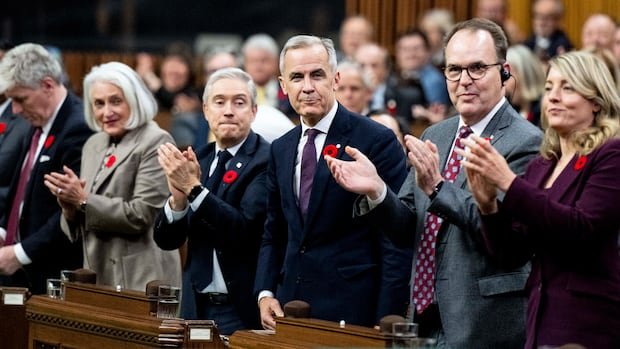

In a recent development, Prime Minister Mark Carney’s government faces a challenge as it falls just short of a majority in the House, requiring cooperation from an opposition party to pass the budget. Failure to pass the budget, a confidence vote, could lead to a second election this year in Canada.
Although the Liberals gained an additional vote through former Conservative MP Chris d’Entremont joining their ranks, they are still a few votes away from a majority. There have been confidence votes, including one on a Conservative amendment, with another by the Bloc impending.
To secure a majority, the Liberals may need the support of the Bloc Québécois, which holds 22 seats. The Bloc has expressed reservations about the budget, but the government can potentially make adjustments to gain their favor.
The NDP, despite having lost party status in the House, holds seven seats and could influence the outcome if they support the budget. Interim Leader Don Davies highlighted concerns but indicated they are considering their stance.
On the other hand, the Green Party’s lone vote from Leader Elizabeth May hinges on improvements to climate policies in the budget. Even with May’s support, the Liberals would still need additional backing to pass the budget.
If all opposition parties unite against the budget, the government lacks sufficient seats for approval, leading to a potential election. Alternatively, if NDP or Bloc members abstain from voting, it could impact the outcome, with abstention being a strategic move to avoid triggering an election.
Various scenarios exist based on party strategies and voting patterns, with the possibility of a free vote allowing MPs to vote independently. Opposition parties could strategically abstain or manipulate their presence in the vote to record dissent without forcing an election.