
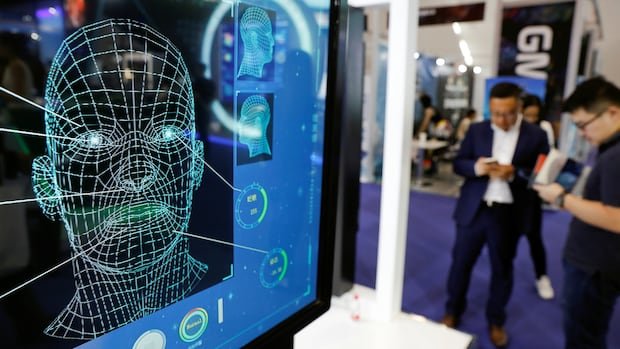

For many residents of Windsor, crossing the border between Canada and the U.S. is a regular occurrence. However, a recent announcement by the U.S. Department of Homeland Security (DHS) could make Canadian travelers reconsider their trips south.
The DHS revealed that starting December 26, all non-American citizens, including Canadians, will be required to participate in the U.S.’s facial biometric program. This means that Canadians entering or leaving the U.S. by air, land, or sea will have their photos taken and stored in a DHS database for up to 75 years.
Although the full implementation of the program may take years, the regulation will come into effect at the end of December. According to Jessica Turner, a spokesperson for U.S. Customs and Border Protection (CBP), the purpose of facial biometrics is to ensure accurate records, enhance security, and enforce immigration laws.
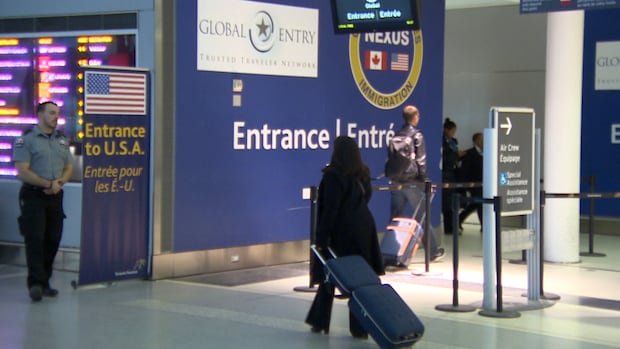
From December 26, travelers to and from the U.S. will undergo mandatory photography, with full implementation by 2026.
Concerns have been raised by surveillance and privacy experts regarding the new rule and the prolonged storage of photographs, speculating about potential future uses by the administration. Kristen Thomasen, a law professor at the University of Windsor, expressed apprehensions about the broader implications of increased surveillance and border enforcement efforts under the current administration.
The DHS rule also aims to help CBP track individuals who exceed their permitted stay in the U.S. by monitoring exits. In contrast, Canada Border Services Agency (CBSA) utilizes facial recognition technology on a voluntary basis at select airports to verify travelers’ identities.

Travelers could be photographed at the border without their knowledge, with the U.S. planning to implement this at land border crossings soon. Windsor Morning host Amy Dodge discussed privacy concerns with University of Windsor law professor Kristen Thomasen.
Expanded Surveillance and Privacy Concerns
Facial biometrics, while not new, raise questions about privacy and surveillance. The U.S. CBP has been using facial recognition technology at airports for nearly a decade, but the program was not mandatory and did not encompass departures or all modes of travel.</p