
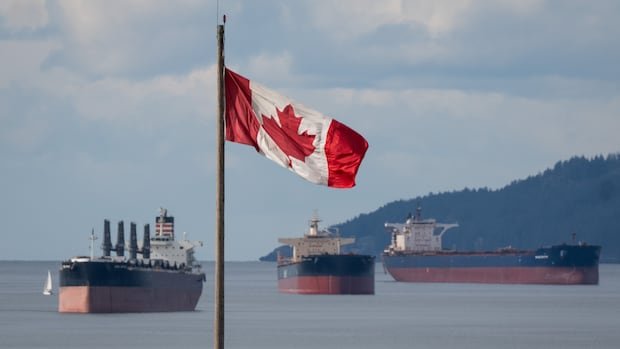

This year, Christmas is arriving ahead of schedule, causing a surge in shipping expenses. The early influx of wholesale orders for various products like holiday decorations and home furniture has driven maritime shipping costs to their highest levels in four years. This increase is a result of uncertainty surrounding tariffs and the Iran conflict, with potential implications for consumers.
Experts in the industry suggest that retailers and importers, particularly in the United States, are hurrying to secure shipments in anticipation of upcoming U.S. tariffs affecting numerous countries expected around the end of July. The rise in demand is elevating prices for seaborne transportation globally.
Judah Levine, head of research at shipping platform Freightos, stated that the primary reason for the spike in freight rates is the early onset of peak-season demand. This surge is mainly attributed to anticipated tariffs and rising fuel costs linked to the extended closure of the Strait of Hormuz.
Major shippers have contracts with carriers that include adjustments for fuel costs quarterly. The recent spike in fuel prices will be passed on to shippers starting this summer, according to Levine.

The Trump Administration has announced a plan to impose new tariffs on at least 60 countries, including Canada, claiming they’ve allowed goods made by forced labour into the U.S. supply chain. Canada would face a 10 per cent export tariff on all non-CUSMA compliant goods.
Due to increased energy prices, importers and manufacturers have agreements that are raising their costs, further motivating shippers to expedite their orders.
Levine mentioned that part of the early surge in shipping is indirectly related to the closure of the Strait of Hormuz. The Platts Container Index indicates that global shipping rates for containers soared approximately 80% in the 30 days leading to June 24, reaching their highest level since April 2022.
Shipping rates from East Asia to North America’s west coast have experienced a significant increase. The average cost of a 40-foot container transported has risen by 120% in the last six weeks to $6,200 US, as reported by Freightos.
“People are stocking up,” noted John Corey, president of the Freight Management Association of Canada.
Concerns about potential U.S. tariffs of at least 10% on countries under investigation for forced labor practices contribute to the current situation. The uncertainty surrounding the Canada-United States-Mexico Agreement, renewed on July 1, also plays a part.

<div class="video-card-overlay-container
Read more