
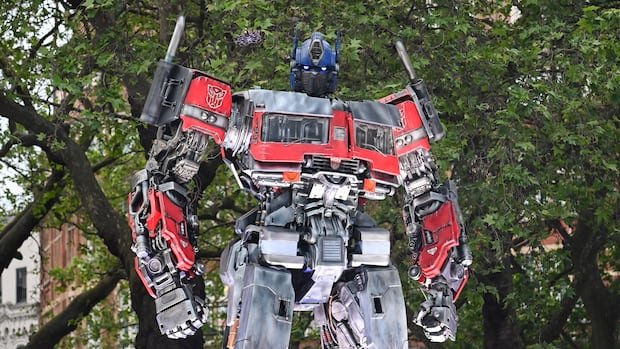

Hasbro, the renowned American toy and games company behind beloved brands like Transformers, Power Rangers, G.I. Joe, Monopoly, and Magic: The Gathering, has introduced artificial intelligence versions of 12 popular characters. This move, experts suggest, may pose potential risks to children alongside offering entertainment.
The lineup includes well-known figures such as Optimus Prime, Megatron, G.I. Joe’s Cobra Commander, Mr. Potato Head, and the cast of Clue board game — featuring Miss Scarlett, Col. Mustard, Mayor Green, Chef White, Solicitor Peacock, and Professor Plum. These AI characters are currently accessible for licensed use in “experiences and enterprise use cases,” as per a recent news release from the company.
These characters are brought to life through Sixth Wall, an AI studio established by Hasbro to create animated AI likenesses of its iconic characters. Additionally, Hasbro is collaborating with ElevenLabs, an AI company specializing in human-AI interaction.
Moreover, Hasbro has introduced “behavioural licensing,” a novel form of intellectual property licensing that governs the actions, thoughts, and speech of characters. This initiative is supported by CharacterOS, a system that ensures “safety guardrails” are in place to maintain authenticity and avoid controversial topics during interactions.
CEO Chris Cocks expressed that this development opens up new avenues for play and storytelling while addressing concerns about unauthorized character usage. The focus is primarily on individuals aged 13 and above, with no plans for developing AI products targeted at young children, as per the company’s statement.
Experts, however, have raised concerns about the impact of AI characters on children, particularly in terms of forming parasocial relationships and the persuasive nature of AI-driven advertising. Privacy issues regarding data collection and utilization have also been highlighted, underscoring uncertainties surrounding how consumer data will be utilized by AI characters.
While acknowledging the trend of interactive experiences in entertainment, there are reservations about Hasbro’s approach in defining the behavior and characteristics of fictional characters. The concern is that this may alter fans’ perceptions of these beloved characters and potentially commercialize their interactions in ways that deviate from the original essence.