
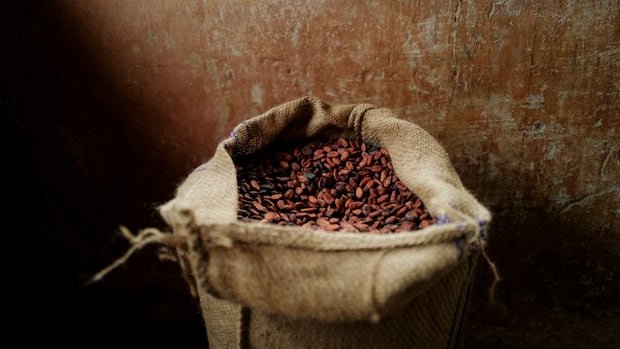

A recent peer-reviewed study highlights a lesser-known threat to cocoa production amidst the fervor for Halloween treats. According to Anna Lea Albright, an environmental fellow at Harvard University, heavy rainfall poses a more significant weather risk to cocoa than heat and drought, which have traditionally garnered more attention.
The surge in cocoa prices in recent years has impacted consumers, with prices rising from an average of $2,000 to $3,000 per tonne to around $6,000 per tonne. Factors such as heavy flooding in West Africa, the world’s largest cocoa-growing region, have driven this increase, with prices exceeding $12,000 per tonne in 2024.
Leslie Agyare, founder of Three Mountains Cocoa in Ghana, emphasized the challenges posed by excessive rainfall on cocoa farming. Climate change, exacerbated by human activities, is expected to intensify extreme rainfall events, affecting cocoa production worldwide.
The study, focusing on Ghana as the second-largest cocoa producer globally, highlighted the detrimental impact of extreme rainfall during flowering on cocoa yields. The research also noted a correlation between warmer temperatures and increased rainfall intensity, indicating a clear climate signal.
In addition to climatic risks, the study underscored other challenges such as aging trees and illegal activities like gold mining that threaten cocoa production. Experts suggest interventions like fungicide use and improved drainage systems to mitigate the spread of fungal diseases.
Agyare emphasized the need for substantial infrastructure investments to address the challenges faced by cocoa farmers, including inadequate water storage facilities and post-harvest processes. The study’s findings raise concerns about the future of cocoa farming in West Africa, with experts questioning the sustainability of current practices in the face of climate change impacts.
As the industry grapples with these challenges, companies like Nestlé are exploring alternatives to traditional cocoa-based chocolate. Nestlé’s partnership with a German cocoa-free chocolate startup reflects a growing trend towards more resilient supply chains and innovative products using alternative ingredients like sunflower seeds.
Despite the recent spike in cocoa prices, experts warn that the current model of cocoa production may not ensure a sustainable future for farmers. The historical underpricing of chocolate has disproportionately burdened smallholder farmers in West Africa, prompting a reevaluation of the industry’s practices and supply chains.