
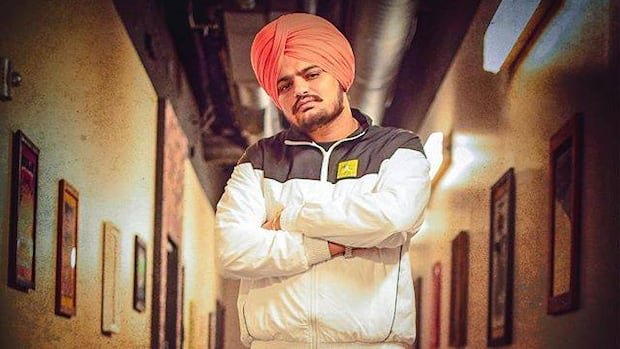

Ravinder Sidhu and his sister Nav made a trip from India to Toronto to attend Sidhu Moose Wala’s Signed to God world tour at Scotiabank Arena. They spent $550 each on tickets, fully aware that this would be a unique experience.
Sidhu Moose Wala, a Punjabi rapper, tragically passed away in 2022 after being shot near his hometown in Northern India. At the Toronto show, a hologram of Moose Wala took the stage, showcasing the potential of this technology to provide an unforgettable fan experience at a premium cost.
Expressing their excitement outside the venue, Ravinder mentioned, “Maybe it will be futuristic. We can’t express it. We’re over-excited.” Another fan, Harry Singh, shared that he paid $270 for his ticket and traveled from California, avoiding the last-minute surge in ticket prices, which reached $1,500.
The hologram concert tickets in Toronto were advertised online for nearly $2,000 before taxes and fees, with similar prices expected for the upcoming Vancouver show. Singh, impressed by the advancements, mentioned, “They’re saying it’s going to look like it’s completely real, but we’ll find out.”
After the show, Singh reported that the concert featured an unreleased song called “Rebirth” and included an appearance by the late rapper’s younger brother. Videos from the event captured the audience singing along with the hologram of Moose Wala on stage.
Sidhu Moose Wala’s rise to fame began while he was an international student in Brampton, Ontario, a hub for the Punjabi community. His music often paid homage to the city, with his track “B-Town” serving as a direct tribute to Brampton.
The utilization of holographic technology in the entertainment industry is expanding, with digital-first performances gaining popularity. Alan Cross, a music journalist and historian, highlighted the success of Abba Voyage in London, featuring digital avatars of the Swedish pop group performing live.
The trend of holographic concerts is expected to grow, driven by an aging cohort of rock stars, the evolution of music catalog ownership, and the digital-savvy modern audience. Technology is enabling deceased artists to have a second life on stage, appealing to a digitally inclined generation.
Hologram technology has been evolving, with companies like Proto working on realistic AI-powered holograms for a variety of applications beyond entertainment, such as healthcare and education. The industry is moving towards integrating holographic experiences seamlessly into everyday life, with the potential for consumers to enjoy holographic experiences at home in the near future.