
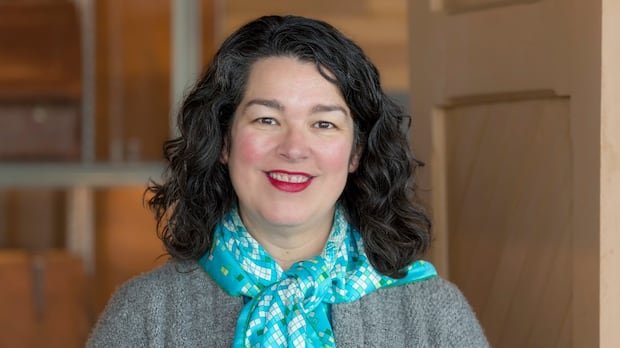

John Moses recounts that upon his father, Russell Moses’ return from the Korean War, the challenges persisted. In 1952, upon his arrival in Canada as an Indigenous residential school survivor, he faced discrimination at a bar in Hagersville, Ont., due to his ethnicity, his son revealed. John Moses, a member of the Delaware and Upper Mohawk bands from Six Nations of the Grand River and a third-generation Canadian Armed Forces member, highlighted that this experience was not uncommon.
His father, who served in the navy during the Korean War and later transitioned to the air force, passed away in 2013. Meanwhile, his grandfather, Ted Moses, served as a mechanic in the air force in Ontario during World War II. John Moses, who worked as a communicator research operator with the Armed Forces in the 1980s and later as director for repatriation and Indigenous relations at the Canadian Museum of History, emphasized the irony faced by newly returned veterans.
Indigenous Veterans Day, observed in Canada, commemorates the wartime journeys that historian Scott Sheffield described as a refuge where individuals could find a sense of belonging away from racism prevalent at home. The day, initially a grassroots initiative in Winnipeg in 1993, has evolved into a nationally recognized event, serving as a precursor to Remembrance Day on Nov. 11, Sheffield explained.
Sheffield, an associate history professor at the University of the Fraser Valley in British Columbia, noted the various motivations behind Indigenous individuals’ decision to enlist, ranging from seeking adventure to economic opportunities. Some viewed their enlistment as a political statement, declaring their right to inclusion in Canadian society, he added.
One notable figure, Tommy Prince, a highly decorated Second World War veteran, enlisted with the goal of proving Indigenous equality with non-Indigenous soldiers. Sheffield highlighted that Indigenous soldiers encountered reduced prejudice during their service, as camaraderie in the field focused solely on character and trustworthiness, fostering mutual respect that many Indigenous soldiers valued post-war.
Despite the camaraderie experienced during service, many Indigenous veterans faced a lack of acceptance upon returning home. Disillusioned by this, some re-enlisted in subsequent conflicts, hoping to reclaim the acceptance and purpose felt during wartime. The federal government acknowledges the contributions of Indigenous veterans, recognizing the lasting impact of their sacrifices on both individuals and communities.
Efforts to honor Indigenous veterans have gained momentum, exemplified through initiatives like the Last Post Fund Indigenous Initiative, which ensures dignified burials for veterans. The project, established in 2019, has already marked over 265 graves and continues to locate unrecognized veteran graves through community researchers like Floyd Powder, a retired Canadian Armed Forces member. The Last Post Fund’s commitment to recognizing Indigenous veterans further underscores the importance of acknowledging their service.
As reconciliation efforts progress, recognizing Indigenous veterans on Nov. 8 and through various initiatives becomes crucial. Veterans Affairs Canada supports these endeavors, emphasizing that celebrating Indigenous Veterans Day complements, rather than replaces, Remembrance Day. Sheffield views Nov. 8 as a reminder of the mutual respect and unity experienced by soldiers, urging society to embrace these values in the ongoing journey of reconciliation and coexistence.