
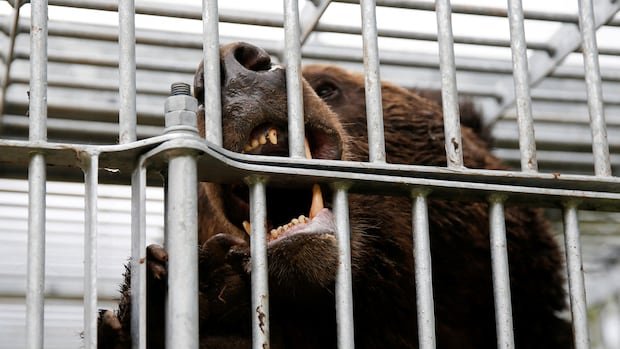

Japan has dispatched military personnel to address a rise in bear attacks that are causing fear among residents in a mountainous area of Akita prefecture. Incidents involving both brown bears and Asiatic black bears have been occurring frequently as the animals search for food before hibernation, with reports of attacks near schools, train stations, supermarkets, and a hot springs resort.
Over the past months, more than 100 people have been injured and at least 12 killed in bear encounters across Japan. The increasing bear population is encroaching on residential zones in a region with an aging and dwindling human population, lacking individuals trained in bear hunting. The government estimates the bear population in the area to be over 54,000.
In response to the situation, the Defence Ministry and Akita prefecture have agreed to deploy soldiers to assist by setting up baited traps, aiding local hunters, and assisting in bear removal without resorting to firearms. The operation kicked off in Kazuno city, where soldiers in protective gear set up traps to address reported bear sightings and injuries in the area.
Local frustration is evident, with residents expressing concerns over the lack of manpower to handle the escalating bear issue. While the government aims to protect citizens, Defence Minister Shinjiro Koizumi emphasized that the primary responsibility of service members is national defense, and they cannot offer unlimited support for bear-related activities due to existing staffing shortages.
The situation is particularly grim in Akita prefecture, where more than 50 people have been attacked by bears since May, resulting in at least four fatalities. The aging population and deserted areas with fruit-bearing trees are attracting bears to residential spaces, leading to repeated encounters.
To tackle the problem, experts advocate for culling the bear population to maintain control, as the animals are not endangered. The government is exploring strategies such as training police and authorities as “government hunters,” conducting bear population surveys, issuing bear warnings through communication devices, and revising hunting regulations to establish an effective bear response plan by mid-November.
The lack of preemptive measures in northern regions has contributed to the surge in bear numbers, underscoring the need for swift action to safeguard residents from further bear-related incidents.