
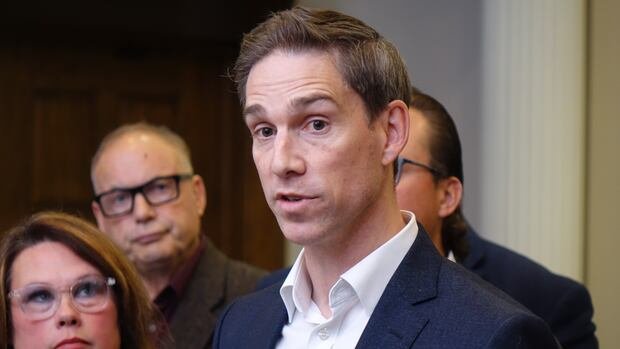

Liberal Leader John Hogan addressed the media on Tuesday for the first time since his party lost power in the recent general election on October 14. Hogan, who successfully retained his seat in Windsor Lake, was accompanied by a smaller Liberal caucus comprising both new and familiar members. Despite the defeat, he expressed confidence in his ability to lead the “strongest Opposition” the province has seen.
In his remarks, Hogan emphasized their role in holding the incoming PC government accountable for the promises made during the election campaign. He stressed the importance of ensuring that the government delivers on its commitments to the people of Newfoundland and Labrador.
Shortly after the press conference, the Liberal party announced its request for a judicial recount in three closely contested districts. The Progressive Conservatives secured 21 seats, forming a majority government, while the Liberals obtained 15 seats. Additionally, two seats were won by the NDP and two by Independent candidates.
Hogan acknowledged the division within the province but highlighted the ongoing support for liberal policies and values among the populace. He introduced the newly elected members of the Liberal party and expressed concerns about the future of the Churchill Falls memorandum of understanding (MOU) with Quebec under the PC government.
Premier-designate Tony Wakeham’s plan for a public referendum on any new deal with Quebec regarding the Churchill Falls MOU raised apprehensions for Hogan and his caucus. He defended the current MOU process, urging clarity on the issues the PC government has with it.
Newly elected Liberal member Michael King pledged his support for Hogan’s leadership and vowed to advocate for his district as an opposition Member of the House of Assembly (MHA). Incumbent MHA Bernard Davis echoed his support for Hogan and expressed enthusiasm for the new roles they have been entrusted with by the electorate.
The Liberal party, now in Opposition, is gearing up to fulfill its role in scrutinizing the government and ensuring accountability. The transition signifies a new phase in Newfoundland and Labrador’s political landscape, with Hogan at the helm of the Official Opposition.