
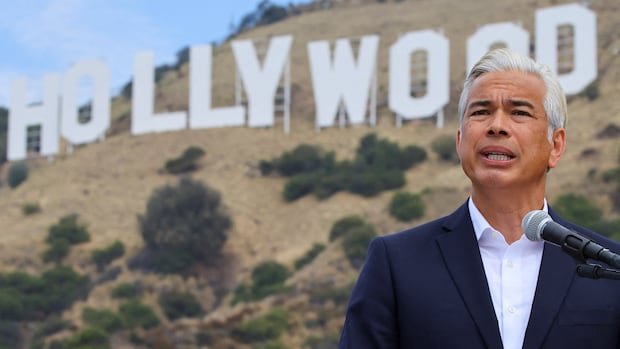

Twelve states have filed a lawsuit to prevent the $81 billion US merger between Paramount and Warner Bros. Discovery, claiming it would stifle competition in Hollywood and limit choices for consumers nationwide. California Attorney General Rob Bonta, leading the case, expressed concerns about the merger’s potential to raise prices, reduce content variety, and lower overall quality for audiences.
The combination of Paramount and Warner would unite two of Hollywood’s few remaining legacy studios, bringing together Warner’s HBO Max, popular libraries like “Harry Potter,” and CNN with Paramount’s CBS and Paramount+ streaming service. The lawsuit argues that such a merger would harm movie theatres and cable distributors significantly.
Paramount responded by defending the merger, stating that it complies with antitrust laws and would enhance competition against dominant streaming platforms. Warner chose not to comment on the lawsuit. Besides California, states opposing the merger include Arizona, Colorado, Connecticut, Massachusetts, Minnesota, Nevada, New Jersey, New Mexico, New York, Oregon, and Washington.
The lawsuit poses a challenge to the Paramount-Warner merger, which recently received shareholder approval and government clearance. The companies aimed to finalize the deal in the third quarter of this year but may face delays due to the legal proceedings. Paramount offered compensation to shareholders if the deal is not completed by September 30.
Critics argue that the merger would consolidate power in the entertainment industry, potentially controlling one-third of the film distribution and cable programming markets. Critics fear that the merger could lead to job losses, reduced wages, limited content variety, and higher prices for consumers. Despite opposition, Paramount emphasized that the merger delay could harm entertainment workers and shield larger streaming rivals like Netflix from competition.
Political influence has also played a role in the merger discussions, with criticisms split along party lines in Washington. Some attorneys general question the Justice Department’s approval of the deal, raising concerns about the president’s ties to Paramount’s CEO. The DOJ defended the merger, claiming it would benefit consumers and workers by increasing competition in the media landscape.
The lawsuit highlights the ongoing debate over the merger’s impact on the industry, with stakeholders closely monitoring developments, including the fate of CNN under Paramount ownership. The legal battle underscores the complexities of media consolidation and its potential consequences for the entertainment sector.