
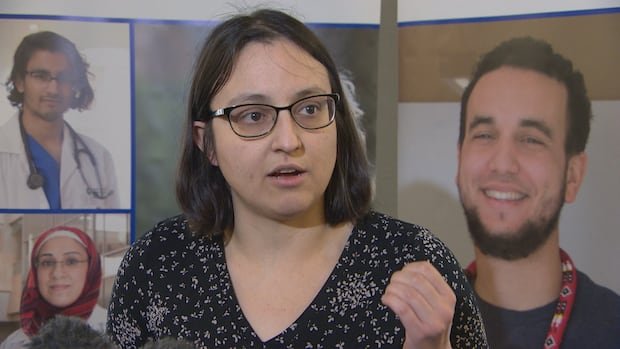

A Moose Jaw doctor has voiced opposition to a proposed law in Saskatchewan that could compel individuals struggling with addictions into treatment. Dr. Karissa Brabant expressed strong disapproval during the Saskatchewan Medical Association’s fall assembly in Saskatoon after Premier Scott Moe announced the Compassionate Intervention Act. She emphasized the importance of patient autonomy in medical ethics and argued that coerced treatment is ineffective and a waste of resources.
While addressing Health Minister Jeremy Cockrill, Brabant, who specializes in assisting homeless individuals and those battling addictions, received applause from numerous attendees for her remarks. Cockrill reassured that the government primarily emphasizes voluntary treatment for recovery, noting that compulsory treatment would be reserved for individuals posing harm to themselves or others. He highlighted the ongoing discussions with addiction experts to refine the government’s approach.
Despite Cockrill mentioning support from some physicians for involuntary addiction treatment, Brabant emphasized that successful addiction treatment requires individuals to willingly seek help. She stressed the significance of patient autonomy under the Canada Health Act, stating that no one should be forced into treatment against their will. Dr. Sean Groves from La Ronge also raised concerns about the government’s addiction treatment strategy, linking a rise in HIV cases to the reduction in harm reduction measures like clean needle distribution.
Cockrill acknowledged the complexity of addiction issues but emphasized the responsibility to use taxpayers’ money effectively. He emphasized the need to make recovery the most accessible choice for individuals in Saskatchewan. The debate surrounding involuntary addiction treatment continues as various perspectives are considered to address the challenges posed by addiction in the province.