
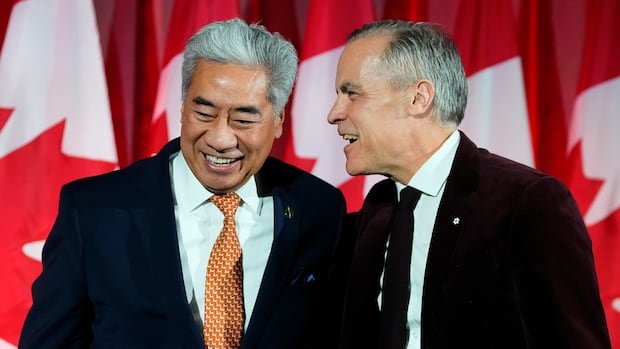

Following Michael Ma’s recent move to join the Liberal Party, Conservative leader Pierre Poilievre defended his leadership when questioned about losing another MP. Poilievre shifted the focus to Prime Minister Mark Carney, accusing him of maneuvering for a majority through behind-the-scenes dealings rather than seeking a mandate from the Canadian people. In response, Carney expressed confidence in commanding the House of Commons’ trust.
The dynamics of Canadian parliamentary democracy have come into sharp relief with conflicting viewpoints on the legitimacy of gaining a parliamentary majority. While Poilievre emphasized the need for electoral mandates, Carney’s position underscored the importance of securing parliamentary confidence.
The debate also delves into the historical context of party defections and backroom deals, with examples like former Liberal MPs crossing over to the Conservative Party. This history raises questions about the ethics and implications of floor-crossing in Canadian politics.
Critics argue that restricting MPs from switching parties could further consolidate power in party leaders’ hands, limiting backbenchers’ autonomy. Despite concerns, past instances like Stephen Harper’s defense of MPs’ freedom to switch parties after David Emerson’s move in 2006 highlight the complexities and principles at play.
The current scenario presents a unique challenge, with potential shifts in parliamentary balance through floor-crossing. The discussion extends to hypothetical situations, exploring the implications of such moves on the electoral process and democratic norms.
As the debate unfolds, the evolving landscape of Canadian politics prompts reflections on accountability, integrity, and the dynamics of party loyalty. The ethical dimensions of MPs changing allegiances and the broader implications for democratic governance remain central to the ongoing discourse.