
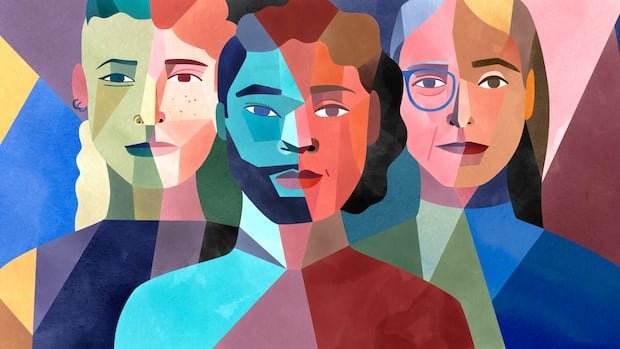

2025 CBC Massey Lecturer Alex Neve believes that the current state of human rights is not at its best but still holds hope for improvement.
Established in 1948 following the devastations of World War II, the Universal Declaration of Human Rights aimed to prevent the emergence of hatred and large-scale atrocities. However, the present scenario reflects a world in disarray, with human rights being selectively applied or revoked based on political whims.
In a series of lectures delivered nationwide, Neve delves into the origins of universal human rights, identifies where we have faltered, and suggests steps to revive the concept of universality.
-
IDEAS
The individuals inspiring Alex Neve in the human rights struggle
-
Alex Neve on CBC’s Frontburner | A pivotal moment for human rights
Neve, a human rights lawyer who served as Secretary-General of Amnesty International Canada from 2000 to 2020, participated in more than 40 human rights research and advocacy missions across over 20 nations.
As a dedicated human rights proponent, Neve emphasizes that each individual has a duty to uphold human rights as outlined in the Universal Declaration of Human Rights.
“While it may seem like we are losing ground and even the battle itself, I refuse to accept this defeat. We must not give in,” Neve conveyed in a recent interview with IDEAS host Nahlah Ayed.
His Massey Lectures, titled Universal: Renewing Human Rights in a Fractured World, follow the legacy of past lecturers like Tanya Talaga, Margaret Atwood, and Martin Luther King Jr. The lectures are accessible in book form, published by House of Anansi Press.
Lecture 1: The essence of universal human rights
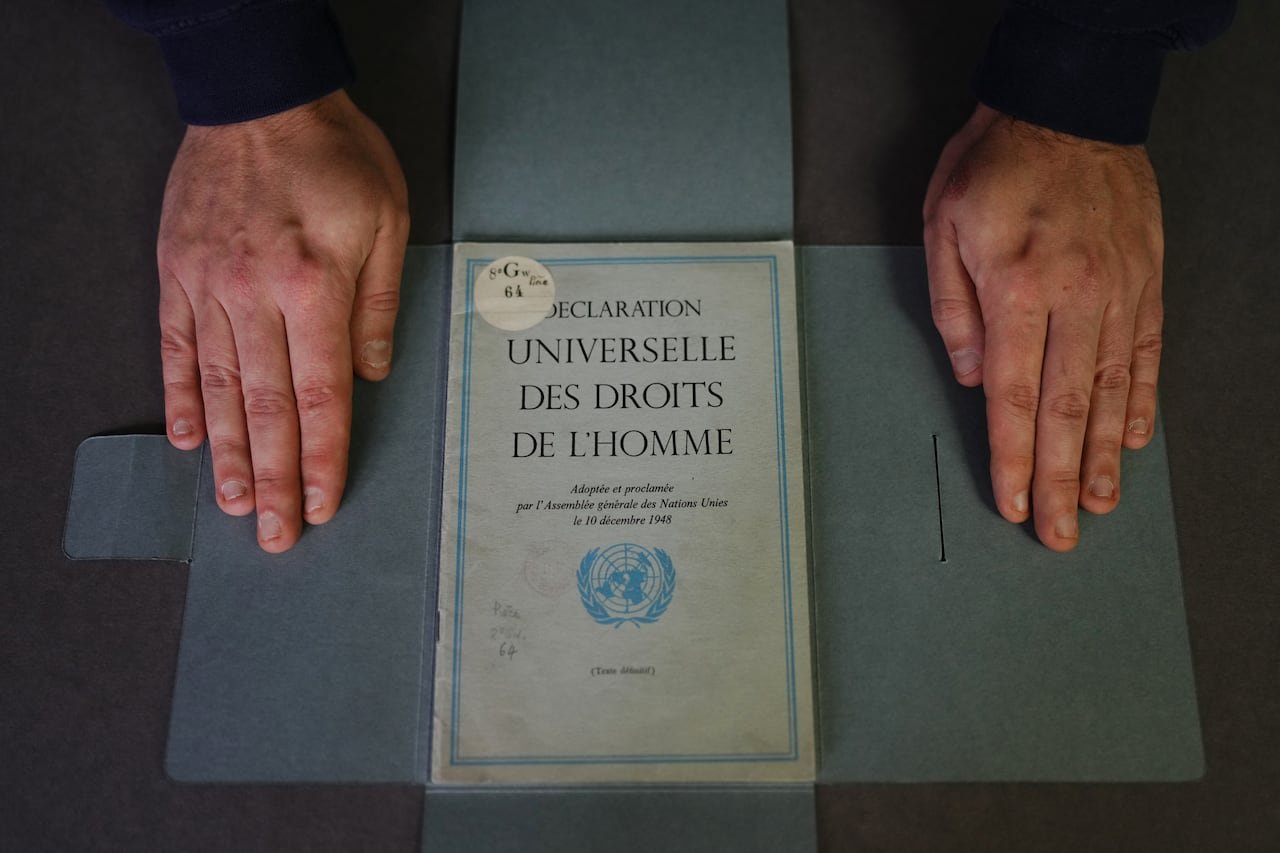
Central to human rights is the commitment to extending these rights universally. Neve highlights our shortcomings in fulfilling this core promise.
In his initial Massey Lecture, Neve explores the significance of pledging to human rights, the repercussions of breaking such