
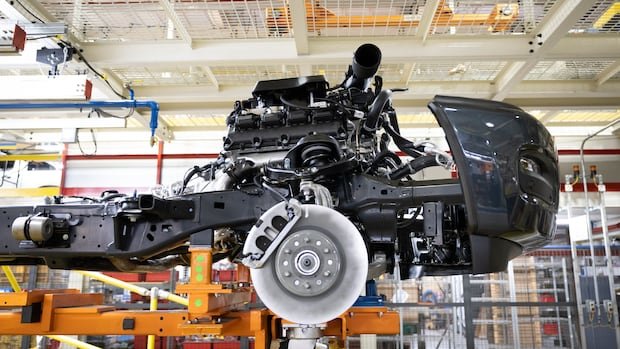

Stellantis and a Canadian auto supplier are currently embroiled in a legal dispute over the pricing of brake rotors, a conflict that could potentially halt operations at several U.S. auto assembly plants.
Peterson Spring has stated in court documents that it is financially unsustainable to supply the parts to Stellantis at a cost it deems below its production expenses at the Woodstock facility in Ontario.
Stellantis’ attorneys allege that the supplier has issued a threat to cease part shipments unless the automaker agrees to pay double the contracted price, amounting to a $77 million annual spike.
Describing the situation as extortion, Stellantis emphasizes the critical role of the supplier, warning of significant disruption, including the potential closure of two assembly plants in Michigan.
Seeking intervention, Stellantis has petitioned an Ontario court to appoint an independent entity to oversee the Woodstock plant and ensure the continuous delivery of parts.
Despite efforts to explore alternative solutions, Stellantis acknowledges the lengthy process of sourcing new suppliers and conducting safety tests, which could span up to two years.
The Automotive Parts Manufacturers’ Association of Canada has highlighted the vulnerability of the automotive supply chain, underscoring the complexities involved in sourcing critical components.
In a separate development, court records reveal a convoluted transaction involving the sale of the Woodstock facility, implicating companies associated with a billionaire businessman facing fraud allegations.
The founder of First Brands Group, Patrick James, is accused of embezzling billions from the company, although he denies the claims. The facility’s ownership transition from First Brands Group to Peterson Spring has added a layer of complexity to the dispute.
Concerns loom over the potential closure of Stellantis’ production facilities in Michigan, with negotiations between the involved parties ongoing to resolve the pricing conflict for brake rotors.
Following an urgent court filing by Stellantis’ legal team, a temporary agreement was reached with Peterson Spring to maintain part shipments, with Stellantis making a one-time payment to ensure continued supply until a specified date.
Both Stellantis and Peterson Spring representatives have refrained from commenting on the case, with industry observers emphasizing the intricate interdependencies within the supply chain and the significant repercussions of disruptions.