
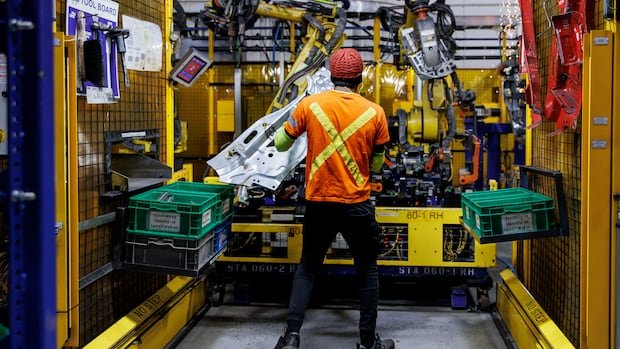

Trade negotiations between the United States and Canada were abruptly halted by President Donald Trump on Thursday night, leading to disagreements among Canadian provincial leaders over which industries should be given priority amid escalating tariffs.
Ontario’s auto sector clashed with the canola industry in the prairies, while British Columbia raised concerns about the lack of attention to its lumber industry, causing divisions within Team Canada.
Although Trump’s actions have somewhat united Canadian provinces in their stance, tensions persist due to ongoing tariffs affecting various sectors.
Here is a breakdown of the industries most vulnerable to tariffs in each province and the statements made by premiers as Canada navigates new trade relationships.
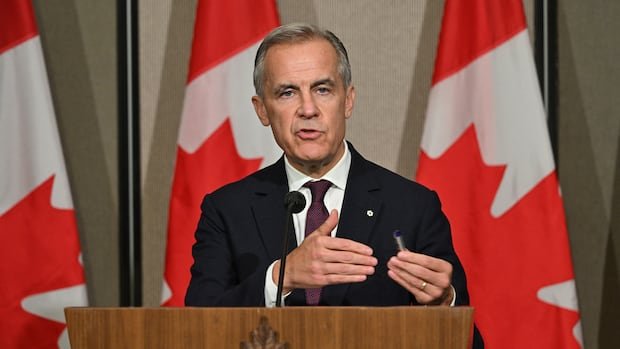
Prime Minister Mark Carney, who indicates no recent communication with President Donald Trump following the trade talks’ termination, responded to inquiries at the ASEAN summit in Malaysia concerning trade issues and potential contingency plans.
British Columbia
Recently, B.C. Premier David Eby criticized the federal government for allegedly neglecting the lumber industry’s interests.
Eby emphasized the urgency required for the forestry sector, citing the significant impact of increased timber and lumber tariffs imposed by the Trump administration.
Although B.C.’s primary U.S. export is energy and raw minerals, wood products play a crucial role, supporting a substantial number of jobs in the province.
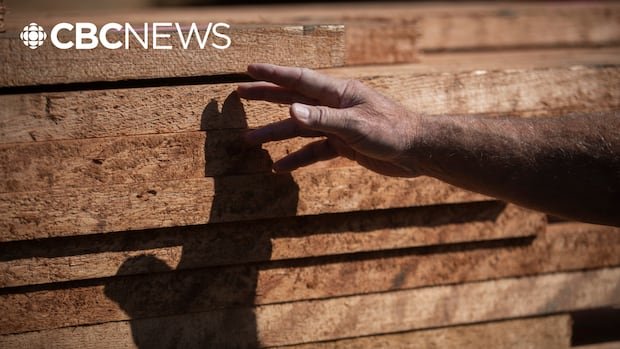
The B.C. government prepares to defend the forestry industry against U.S. tariffs with upcoming advertising campaigns, amid trade tensions following Ontario’s controversial ad that led to the termination of trade negotiations.
Alberta
Alberta heavily relies on its oil and gas sector, comprising a significant portion of its exports to the U.S