
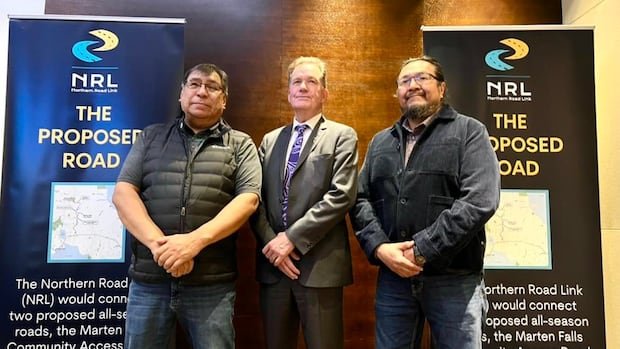

Webequie First Nation, a remote community located approximately 540 km north of Thunder Bay, Ontario, is making significant progress in constructing a supply road. Chief Cornelius Wabasse describes this as a major achievement within one of Canada’s most important Indigenous-led infrastructure initiatives.
The community recently concluded a 60-day public review period for its draft Environmental Assessment Report and Impact Statement concerning the proposed Webequie Supply Road. This report is mandated by Ontario’s Environmental Assessment Act, while the Impact Assessment is governed by Canada’s Impact Assessment Act.
The review period, held from August 8 to October 5 this year, followed a prior 60-day review exclusively for Indigenous communities. Webequie First Nation considers these two phases to be among the most comprehensive and inclusive environmental assessment processes ever conducted in northern Ontario.
Currently, Webequie is accessible only by air or winter road. The planned 107-kilometre, all-season road aims to link Webequie First Nation to potential development areas near McFaulds Lake in the mineral-rich Ring of Fire region.
Chief Wabasse expressed gratitude to Indigenous communities, governments, organizations, and the public for participating in the review process and sharing their perspectives and feedback. The road project involves 31 water crossings, six bridges, and 25 culverts, with the expectation of generating local jobs, business opportunities, and training for community members.
Emphasizing that the Webequie Supply Road offers more than just a transportation route, Chief Wabasse highlighted its potential to create new job opportunities, foster business growth, and provide training for the youth. He believes the road will enhance Webequie’s economic prospects while maintaining a strong connection to the community’s land and traditions.
The project, valued at several hundred million dollars, is currently in the design phase. It has been guided by Webequie’s Three-Tier Consultation Model, a framework focused on meaningful participation and cultural respect. This approach combines Indigenous knowledge with western science to ensure environmental and cultural preservation.
Collaborations with land users, elders, and youth from Webequie and Nibinamik First Nation have been crucial in determining the road’s route. The partnership aims to address environmental concerns and respect cultural values throughout the project’s development.
Ontario’s Minister of Indigenous Affairs and First Nations Economic Reconciliation, Greg Rickford, expressed pride in supporting infrastructure projects grounded in Indigenous wisdom and land stewardship. He believes these initiatives will promote shared prosperity for future generations.
Marten Falls First Nation is also progressing with plans to construct a supply road to the Ring of Fire region. The community has initiated the decommissioning of selected groundwater monitoring wells along the proposed road route to enhance environmental monitoring accuracy.
Moreover, Marten Falls is finalizing a Community-specific Impact Assessment Report, which has undergone review by 23 Indigenous communities following a 90-day consultation period. However, some First Nations, like Neskantaga, have voiced longstanding opposition to these road projects.
During the public review, various concerns and opportunities were raised regarding the supply road project. Michael Fox, the regional consultation lead representing Webequie First Nation, highlighted community feedback covering environmental and logistical issues.
The Draft Environmental Assessment Report flagged worries about air quality in the corridor, citing potential exposure to particulate matter and contaminants during construction. Webequie officials assured that risks would be monitored through comprehensive follow-up programs, including environmental management plans and adaptive monitoring involving Indigenous communities.
Questions regarding future contracting opportunities for Indigenous businesses, job training programs for Indigenous workers, and potential employment listings for road construction work were also raised. The project team is currently organizing and addressing approximately 1,000 comments received during the Indigenous and public review phases.
Fox anticipates that all comments will be addressed by early next year, with the final report subsequently finalized for submission to relevant authorities for review and decision-making. While the construction start date remains uncertain, discussions are underway for potential pre-construction activities in 2026 if approvals progress positively.