

Top European diplomats emphasized the importance of consulting with Ukraine and Europe on any initiatives aimed at resolving Russia’s invasion of its neighbor. Speculation arose about a potential U.S.-Russian peace proposal amid corruption allegations impacting Ukraine’s government.
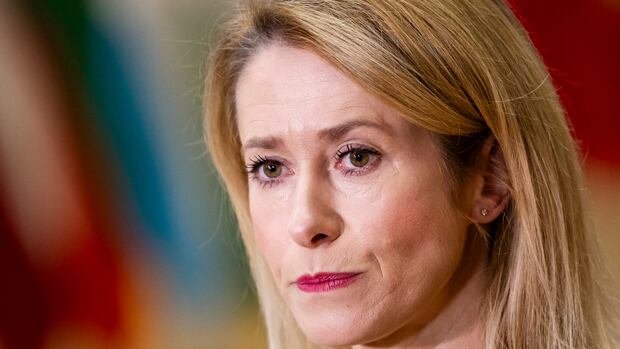
Ukrainian President Volodymyr Zelenskyy faces mounting pressure as he navigates defending his country against Russia’s superior military, seeks continued support from European leaders, and manages a significant corruption scandal within the energy sector. European Union (EU) foreign policy chief Kaja Kallas stressed the necessity of involving Ukrainians and Europeans in any potential plan for it to succeed.
German Foreign Minister Johann Wadephul echoed this sentiment, highlighting that discussions regarding a ceasefire and Ukraine’s peaceful future must involve Ukraine and Europe. However, it remained unclear whether the foreign ministers had reviewed the reported peace plan, including contentious proposals for Ukraine to cede territory.
U.S. Secretary of State Marco Rubio indicated ongoing efforts to develop a comprehensive peace agreement that would require challenging concessions from both sides. Meanwhile, Kremlin spokesperson Dmitry Peskov denied active consultations with the U.S. concerning ending the conflict in Ukraine.
Danish Foreign Minister Lars Løkke Rasmussen expressed uncertainty about the proposal’s endorsement by U.S. President Donald Trump and Russian leader Vladimir Putin, emphasizing the need to verify the involvement of key stakeholders. Amid concerns of exclusion, European leaders affirmed their pivotal role in supporting Ukraine and safeguarding European security interests.
EU diplomats criticized Russian President Vladimir Putin for purportedly stalling peace negotiations while sustaining a relentless campaign in Ukraine. They highlighted Russia’s targeting of civilian infrastructure, citing a recent deadly attack in Ternopil that claimed lives and left numerous individuals injured.
Amid shifts in military aid dynamics, European countries have stepped in to provide weaponry to Ukraine following the cessation of direct military aid from the U.S. This shift has granted Europe increased influence in discussions surrounding conflict resolution.
Polish Foreign Minister Radosław Sikorski emphasized Europe’s significant support for Ukraine and underscored the region’s vested interest in consultations regarding peace initiatives.