
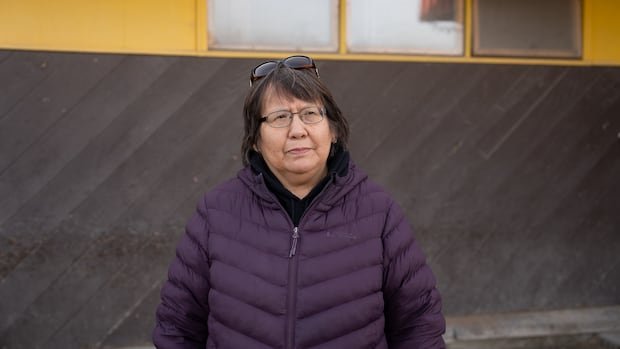

Staff shortages at smaller community health centers in Yukon have been a longstanding issue, but residents are expressing heightened concerns about the situation in the past year. Health centers in Faro, Pelly Crossing, and Ross River have experienced prolonged periods without nurses, relying on paramedics to provide limited care. In Faro, the center was forced to close for a month in September, prompting residents like Maryann Etzel from Ross River to travel long distances for medical attention.
The absence of healthcare professionals in these communities has raised alarms among residents like Louie Tommy, an elder from Ross River Dena Council, who found the clinic closed multiple times when seeking care. While the Ross River facility is now operational, a visiting physician is not expected until December. Typically, the health center is staffed by two primary care nurses, with a physician visiting every two weeks.
To address the ongoing health care challenges, efforts are being made to support the community. Joanna Dick from Ross River has initiated a strategy to provide information about the Non-Insured Health Benefits program, aiding First Nations individuals in accessing medical services when local healthcare is unavailable.
Yukon’s political parties have unveiled their healthcare promises to address rural needs. The Yukon Party plans to launch a recruitment campaign to attract healthcare workers to rural areas and enhance support for home care services. Meanwhile, the Liberals aim to expand home care support in rural communities and improve medical travel accommodations. The Yukon NDP party has pledged to hire additional nurse practitioners, increase wages, and implement a support program to retain healthcare workers.
Residents like George Skookum in Carmacks emphasize the importance of having healthcare professionals who are committed to serving the community long-term. Building connections with residents is crucial for effective care delivery, especially for those in need of ongoing medical management. The challenge remains in attracting healthcare workers willing to settle in remote communities like Faro and Ross River.
Efforts to enhance local health education and training opportunities are seen as potential solutions to address the healthcare workforce shortage. However, residents express a desire for more immediate improvements in the medical travel system to ensure timely access to care. Despite political promises, skepticism lingers among residents like Glenis Allen in Faro, who stress the urgent need for sustained support to prevent vulnerable community members from being displaced due to inadequate healthcare services.