
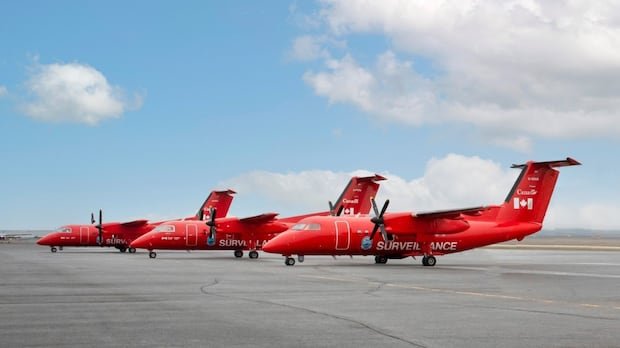

Transport Canada is planning to hand over most, if not all, of its aviation division to the Department of Defence in a move surrounded by secrecy. The shift of the federal department’s “core aviation services” was highlighted in the recent federal budget, potentially impacting the long-established National Aerial Surveillance Program (NASP) responsible for monitoring pollution and marine wildlife along the country’s coastlines.
According to the budget presented by Finance Minister François-Philippe Champagne, the services will be restructured, with most core aviation functions and assets transferring to the Department of National Defence while exploring commercial options where suitable. The budget assured that Transport Canada’s pilot training and certification programs would remain unchanged, ensuring no disruption for commercial and non-commercial pilots in Canada.
Despite repeated inquiries for clarification from CBC News since the budget announcement, both Transport Canada and the Finance Department have declined to elaborate on the implications. Transport Canada currently operates a fleet of around 52 aircraft, of which 24 are owned and the remainder leased, including a newly acquired Israeli-made drone for Arctic surveillance.
Officials at Finance have been equally reticent, citing Transport Canada’s efforts to meet savings targets as part of a larger expenditure review. The integration of Transport Canada’s civilian fleet into the Defence Department mirrors the recent absorption of the Canadian Coast Guard, raising questions about how data sharing and defense capabilities will be managed.
The specifics of how the Transport Canada assets will align with military surveillance operations remain unclear. This move is intended to contribute to Canada’s defense spending commitment, aligning with the new NATO benchmark of allocating five percent of GDP to defense expenditures.
The decision to transfer aviation services has implications, particularly as NASP surveillance in the Arctic was reduced last summer due to aircraft shortages and logistical constraints. The acquisition of the Hermes 900 Starliner drone for Arctic missions adds a new dimension to Canada’s surveillance capabilities, although its integration with existing defense systems is yet to be determined.
As other nations, notably Russia and China, increase their Arctic presence, Canada’s strategic decisions in aviation and surveillance take on added significance. Transport Canada’s diverse fleet, including fixed-wing aircraft and helicopters, supports various government operations, with uncertainties remaining about the fate of Transport Canada-owned land at airports nationwide in the transfer process.