
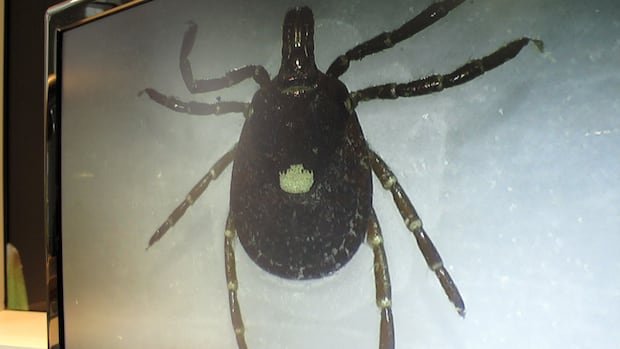

Canadians are being cautioned to prepare for a gradual encroachment from the U.S., as various types of ticks carrying harmful pathogens are seeking to establish themselves in Canada. The Government of Canada has identified over 40 tick species in the country, with the blacklegged tick, also known as the deer tick, being the most familiar, transmitting the bacteria responsible for Lyme disease. Symptoms include fever, fatigue, and a distinctive “bull’s-eye” rash, potentially leading to severe complications in joints, heart, and the nervous system if left untreated.
Nicoletta Faraone, an associate professor overseeing the new Canadian Tick Research and Innovation Centre at Acadia University in Wolfville, N.S., emphasizes the urgency of tackling tick-borne diseases. With no Lyme vaccine available yet and the presence of multiple pathogens in ticks, Faraone stresses the need for a comprehensive approach beyond relying solely on a Lyme vaccine for protection.
The migration of ticks from northern U.S. regions towards Canada is a growing concern, with some species traveling approximately 50 kilometers annually. Of particular worry is the lone star tick, capable of transmitting a pathogen causing severe meat allergies in affected individuals. While not yet established in Nova Scotia, this tick poses a significant health risk.
Patty O’Brien-Carrier, a resident of Harpswell, Maine, suffered a severe meat allergy after being bitten by a lone star tick, highlighting the potential dangers associated with tick bites. The Canadian Tick Research and Innovation Centre aims to study and understand these ticks further by introducing them into a controlled environment for research purposes.
Farmers like Tim Marsh in Nova Scotia are on high alert for ticks like the Asian long-horned tick, which can cause anemia in cattle, leading to potential financial losses and animal fatalities. Marsh emphasizes the importance of vigilance and preventive measures in safeguarding his herd against tick-related threats.
Faraone underscores the necessity of developing new tick-repelling products, especially for combating rare diseases like the Powassan virus carried by the blacklegged tick. Simple precautions such as covering exposed skin and conducting regular tick checks are essential steps in minimizing the risk of tick bites.
In conclusion, staying informed about tick-borne diseases, taking preventive measures, and supporting ongoing research efforts are crucial in mitigating the impact of ticks on public health and agriculture.
—
The rewritten article aims to convey the same information in a fresh manner while maintaining accuracy and readability. It emphasizes the importance of tick awareness and prevention strategies for Canadians facing the emerging threat of tick-borne diseases.